First Cold Frame UK: 5 Setup Mistakes to Skip
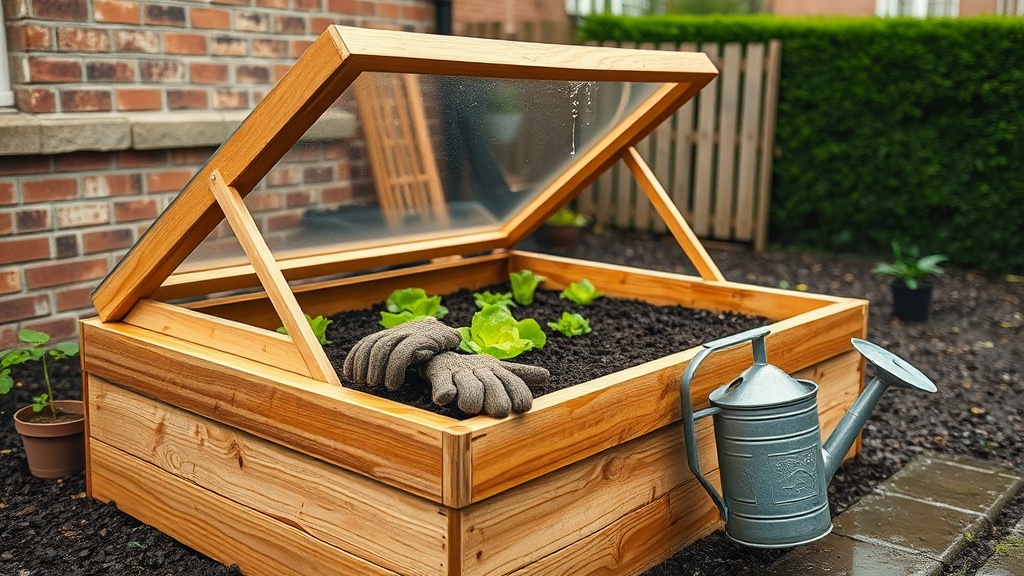
The forecast’s showing frost and your freshly sown lettuce seedlings are staring down a frozen slab of soil. Losing a batch like that is a gut punch no gardener wants. But what if you could give them a cosy, sun-warmed haven, keeping the chill at bay without turning your balcony into a greenhouse factory? We’ll walk through picking the right cold frame, finding its perfect spot, building it so water never pools, and keeping slugs out of your future salad. By the end, you’ll have a micro-climate that actually survives the damp, windy British winter – and you’ll know exactly what to check before you even lift the lid. If you want to know a bit more about our research journey from cold frame newbie to seasoned grower, you can read our story here.
Ready to make sure you don’t miss a step? Download the Free Checklist and keep it beside you while you build.
1. Location & Site Prep: The Foundation of Success
A cold frame is only as good as the ground it sits on. In the UK the biggest mistake most beginners make is planting it in a low‑lying spot that becomes a pond after a heavy rain. The result? Waterlogged compost and seedlings that drown before they’ve even sprouted.
Sunlight – Aim for at least six hours of direct sun, preferably a south‑facing wall. This is a general guideline for many edibles, as recommended by organisations like the RHS. Even a modest garden in Leeds will get a decent sun‑track if the frame isn’t shaded by a shed or over‑grown shrub.
Drainage – This is the single most important factor in preventing damping‑off disease, a common issue for seedlings, as highlighted by resources like the RHS. Lay a base of bricks, paving slabs or reclaimed timber sleepers. They create a hard, level surface and let excess water escape. Most beginners once set a frame directly on a garden bed; after a night of rain a shallow pool forms and their first lettuce batch goes straight to the compost heap.
Proximity to water – Keep the frame within a minute’s walk of a hose or watering can. You’ll be opening the lid many times a day, and a muddy splash is the last thing you need.
Wind protection – A low hedge, a fence, or even a row of tall pots can act as a windbreak. Less wind means less forced ventilation, which in turn reduces condensation (more on that later).
Site Audit Checklist
- Is the ground level, or will you need a raised base?
- Does the spot get six‑plus hours of sun?
- Is there a natural windbreak nearby?
- Can you reach it easily with a watering source?
For more on greenhouse placement, we’ve got a detailed guide.
What’s the Best Cold Frame Material for UK Gardens?
When you walk into a garden centre the cold‑frame aisle can feel a bit like a hardware supermarket. The biggest decision is material – wood or polycarbonate – and each has its own quirks. Choosing the right cold frame hinges on three factors: material, size, and ventilation. Wood frames, typically costing around £70‑£90 for a 90 cm × 60 cm model, offer natural insulation and blend well with garden aesthetics, but they require periodic treatment to avoid rot. Polycarbonate frames, priced roughly £120‑£150, are lightweight, durable and virtually maintenance‑free, though they can overheat if not properly ventilated. Size matters – a 90 cm × 60 cm frame is ideal for beginners, providing enough planting area without overwhelming a small garden or balcony. Most importantly, ensure the frame has a lift‑up lid or sliding door; without ventilation the structure becomes a condensation trap that can kill seedlings. Balancing these three considerations will give you a frame that’s worth its salt for UK weather conditions.
Wood – Traditional, breathable, and blends nicely into a cottage garden. A 90 cm × 60 cm pine frame costs roughly £70‑£90 (prices vary by retailer). Wood insulates well but needs regular treatment with a preservative to stop rot. The soft “squeak” of a wooden lid in a gentle breeze tells you the frame is moving with the wind, not fighting it.
Polycarbonate (plastic) – Lightweight, virtually maintenance‑free, and resistant to rot. Expect to pay around £120‑£150 for a comparable size. The downside is that it can overheat on sunny days if you don’t vent properly. The clatter of a plastic lid sliding on its rails is louder, but the frame stays upright in a gusty November wind.
Size – For a first build, 90 cm × 60 cm is spot on. It fits on most patios, balconies and allotment plots and still gives you enough surface to grow a decent lettuce crop. You can always add a second frame later.
Ventilation – Look for a lift‑up lid or a sliding glass door. This is non‑negotiable; without it you’ll end up with a “condensation trap” that drowns seedlings.
Comparison at a glance
| Feature | Wood | Polycarbonate |
|---|---|---|
| Insulation | Good, natural breathability | Moderate, less breathable |
| Durability | Needs regular treatment | Low‑maintenance, UV‑stable |
| Weight | Heavier, stable in wind | Light, may need anchoring |
| Cost (approx.) | £70‑£90 | £120‑£150 |
| Aesthetic | Rustic, garden‑friendly | Modern, sleek |
Most owners try both on their allotment in spring. The wooden frame gives kale a gentle, steady warmth, while the plastic one survives a gale that snaps the wooden lid’s hinges. We’ve reviewed specific cold frames, so check out our full reviews on the blog.
3. The Setup Process: Leveling, Bedding, and Securing
Building the frame is a bit of a faff if you skip the basics, but it only takes an hour once you have a clear plan.
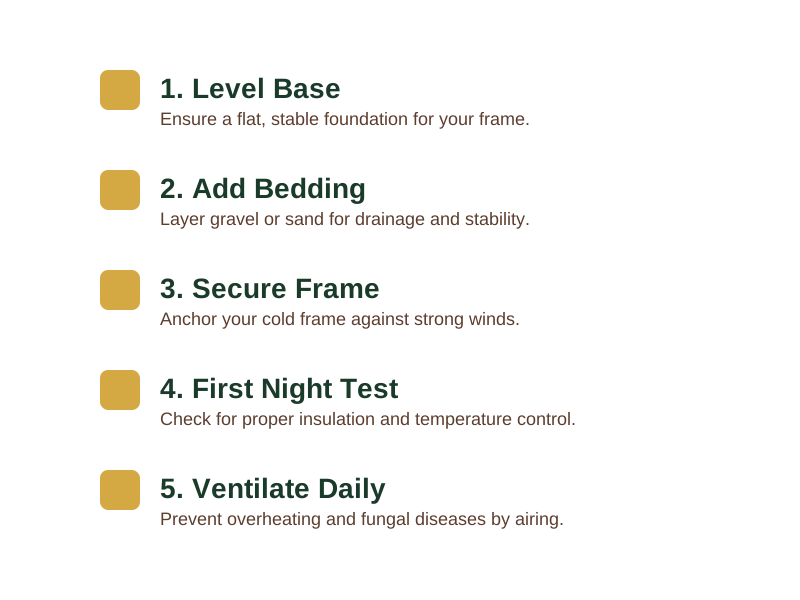
Level the base – Grab a spirit level and a piece of timber. Lay your bricks or paving slabs, then check that the surface is flat from end to end. Even a centimetre of tilt will cause water to collect on one side. Most beginners once use a garden rake to smooth a sloping patch, only to discover a puddle forming the night after the first rain – the seedlings go soggy.
Add a bedding layer – Fill the frame with a high‑quality, weed‑free compost. Avoid garden soil; it often carries pests and disease. A mix of peat‑free compost and perlite works well, staying light enough to drain but retaining enough moisture for seedlings. You can read more about the perfect seed-starting compost.
Secure the frame – Anchor the corners with metal pegs or timber stakes driven into the ground. A strong wind can lift an unsecured frame and fling the lid like a frisbee. Most owners use stainless‑steel garden spikes – they’re cheap (around £5 for a pack) and hold fast even on loose soil.
The “First Night” test – For the first 24 hours leave the lid slightly ajar (about 2 cm). This lets excess moisture escape and prevents the dreaded condensation build‑up that can smother young plants.
4. Planting Guide: What to Start & When
A cold frame isn’t just a winter shelter; it’s also an excellent hardening‑off zone. Here’s how to make the most of it.
Hardening off – After your seedlings have grown their first true leaves, move them into the frame for a week. Start with the lid closed for a few hours each morning, then gradually increase the open time. This mimics the transition from indoor warmth to outdoor chill without shocking the plants.
Season extension – In September you can sow hardy greens such as spinach, winter lettuce, and kale directly into the frame. The micro‑climate keeps soil temperatures a few degrees higher than the surrounding garden, letting you harvest fresh leaves well into winter.
What to avoid – Tender crops like tomatoes or peppers need higher temperatures and more ventilation; they’ll bolt or freeze if you try them in October. Stick to varieties that tolerate temperatures down to 0 °C.
Quick planting calendar (UK)
| Month | What to sow in the frame |
|---|---|
| September | Spinach, winter lettuce, kale, broad beans |
| October | Swiss chard, winter radish, mustard greens |
| March | Early spring peas, hardy carrots, leeks |
For more ideas, we’ve got a list of the best winter vegetables.
Most beginners learn the hard way that trying to grow a tomato seedling in October turns it into a limp, brown mess within days. Patience pays off – wait until late May for those sun‑loving fruits.
5. Troubleshooting: The “Condensation Trap” & Slug Shield
Even with a perfect site, a cold frame can become a moisture‑laden nightmare if you don’t manage humidity.
Condensation – If the lid is sweating, the air inside is too humid. Open the vents or lift the lid a centimetre each morning until the drops stop. Reducing watering frequency helps; the enclosed environment retains moisture longer than an open garden bed.
Slugs & snails – These little devils love the cool, damp conditions. Most beginners’ first harvest is ruined by a slime trail across the lettuce leaves. Most owners now line the base with copper tape (about £8 per roll) and scatter crushed eggshells or grit as a “slug shield”, methods often recommended by organisations like Garden Organic. The abrasive surface discourages them without blocking airflow.
Overheating – On a bright May day the frame can turn into a mini‑greenhouse. Open the lid fully by mid‑morning and close it again at dusk. A simple piece of shade cloth draped over the top can also dial down the temperature.
Pests – Apart from slugs, keep an eye out for aphids. A quick spray of soapy water usually does the trick.
For a deeper dive into slug control, we have a full guide.
Quick flowchart
- Is the lid sweating? → Open vents or lift lid.
- Are slugs present? → Apply copper tape & egg‑shell barrier.
- Is it too hot? → Fully open lid or add shade cloth.