Can Your Cold Frame Survive UK Weather?
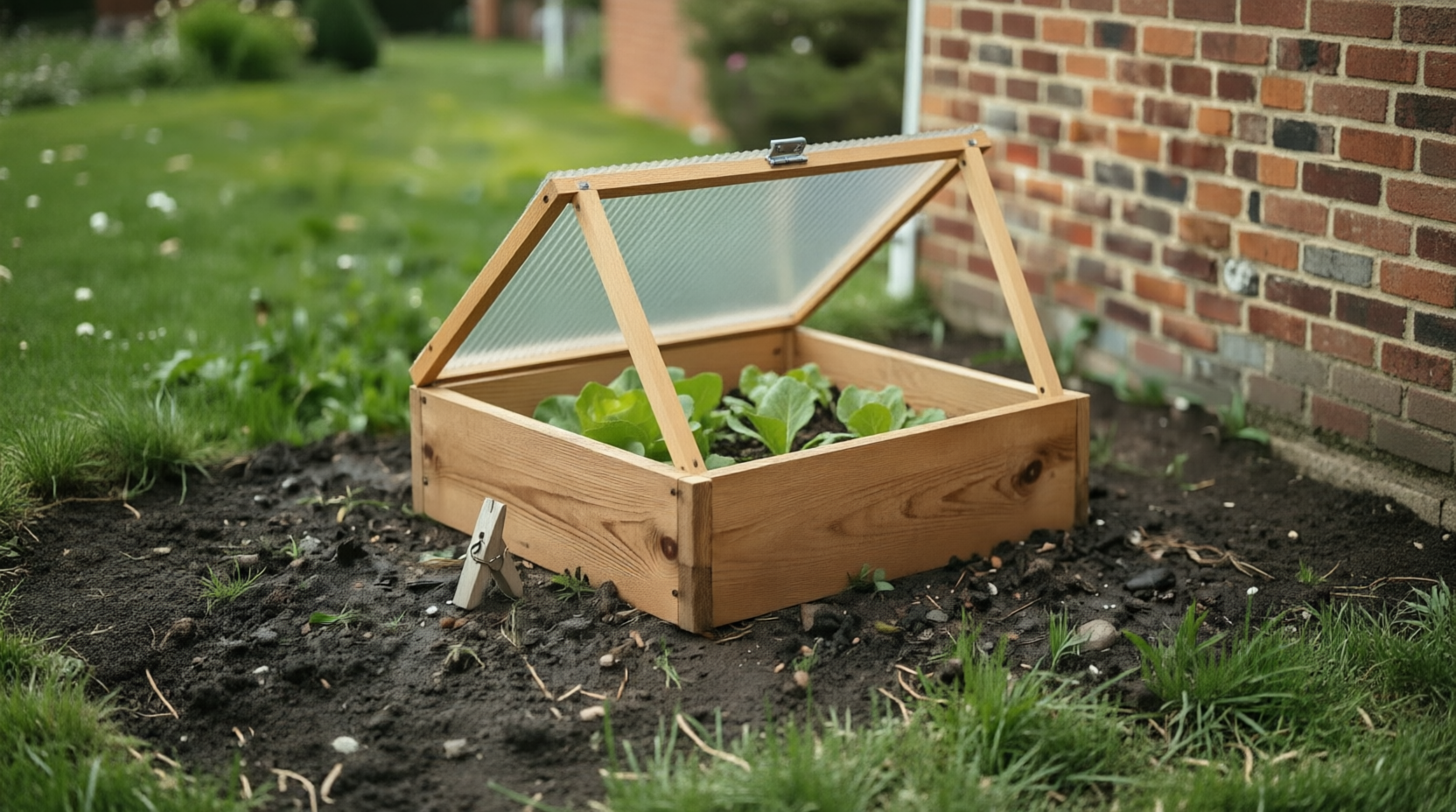
You step out on a bright March morning, lift the cold‑frame lid and—boom—your lettuce seedlings look as if they’ve spent the night in an oven. The soil is damp, the leaves are wilting, and a fine film of water beads on the polycarbonate. Sound familiar? You’ve done the hard work of building a shelter, but the micro‑climate inside is now fighting you.
Most beginners have been there. In their first spring, they throw the lid wide open at 09:00, only for the temperature to nosedive 10 °C overnight and the seedlings to develop classic damping‑off. The fix isn’t magic; it’s learning how to manage the tiny weather system you’ve created. In the next few minutes you’ll discover how to keep the heat in when you need it, let the moisture out before it kills, and stop slugs turning your frame into a five‑star restaurant. Let’s get your cold frame back on track. For more growing tips, explore our Gardening Blog.
How Do I Prevent Overheating in My UK Cold Frame?
Preventing overheating in a UK cold frame is a daily balancing act, especially in spring. On sunny days, you need to vent the frame to release excess heat, but be ready to close it quickly if temperatures drop or frost is forecast. Inside, temperatures can easily climb 20°C or more above outside readings, scorching tender seedlings if not managed.
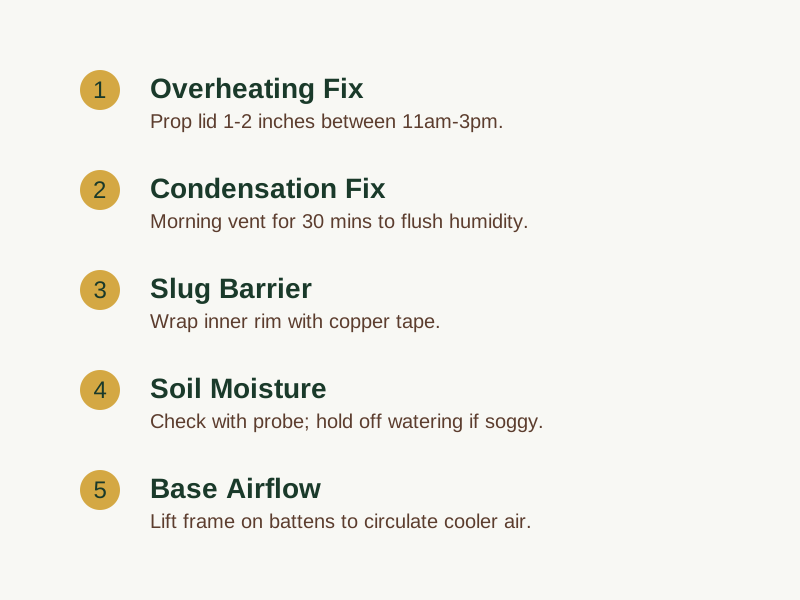
The fix:
- Lid‑prop method: Slip a garden stick or a wooden peg under the lid, lifting it just 1–2 inches during the hottest stretch (roughly 11 am–3 pm). This creates a narrow opening for hot air to escape while still trapping enough warmth for growth.
- Frost check: Before you prop the lid, glance at the Met Office forecast for your area. If a frost is predicted for the night, close the lid fully, even if the day has been balmy.
Visual cue: leaves look scorched or wilted on a sunny morning—time to prop the lid.
Most owners use a simple wooden clothes peg; it’s cheap, sturdy, and you can pop it out in a flash when the sun dips. The Royal Horticultural Society warns that “over‑heating in enclosed structures is a common cause of seedling loss” (RHS, 2022).
Venting a cold frame in the UK isn’t a set-and-forget task; it’s a crucial daily adjustment to prevent your plants from cooking. On sunny spring days, lift the lid a few inches with a simple stick or peg, typically between 11 am and 3 pm, to create a narrow gap. This allows superheated air to escape, preventing scorching, while still retaining enough warmth for healthy growth. Crucially, always check the Met Office forecast for overnight frost. If frost is predicted, the lid must be closed fully before evening, even if the day has been mild. This careful balance keeps seedlings warm enough to thrive without overheating, and protects them from sudden temperature drops that can lead to damping-off or frost damage.
How Do I Stop Condensation and Damp in My Cold Frame?
Stopping condensation and damp in your cold frame is all about improving airflow and managing watering. Excess humidity, often seen as a ‘foggy mirror’ on the lid, is a breeding ground for fungal diseases like damping-off and mould, especially common in our damp UK springs. Regular, short bursts of ventilation will help flush out this stale, moist air.
The fix:
- Morning ventilation: Open the lid for about 30 minutes each clear morning. This flushes out excess humidity before the day heats up, as recommended by organisations like Garden Organic for healthy growing environments.
- Soil check: Stick a slender soil probe (or a clean screwdriver) into the mix. If the soil feels soggy, hold off watering for a day or two.
- Base airflow: If your frame sits directly on the ground, lift it a few centimetres on timber battens. This tiny gap lets cooler air circulate underneath, reducing condensation build‑up.
A tell‑tale sign is a white, fuzzy growth on the surface or seedlings that collapse at the stem base.
Most beginners first notice the “foggy mirror” effect on a polycarbonate frame bought from a local DIY store. A quick 30‑minute morning vent solves it, and most owners now swear by a small wooden board under the frame to keep the base dry.
Pest Exclusion: Keeping Slugs and Snails Out
Cold frames are perfect slug hotels—warm, dark, and constantly moist. Those little molluscs love to nibble on lettuce, spinach, and even tender tomato seedlings, often leaving a silvery trail on the inside of the glass.
The fix:
- Copper tape trick: Stick a strip of copper tape around the inner rim of the frame. Slugs receive a mild electric shock when they touch it, and they’ll steer clear.
- Seal the base: Ensure the frame sits flush on the ground. If there’s a gap, wedge a piece of slate or untreated wood around the bottom edge to block entry points.
- Manual night check: Grab a torch after dark and pick off any visible slugs. It’s a bit of a faff, but it saves you a lot of leaf loss.
And yes, beer traps belong outside the frame—otherwise you’re inviting more pests in.
Most beginners once find a single lettuce leaf riddled with holes and a fresh slime trail on the glass. A quick copper‑tape wrap later, and the next week is slug‑free.
Polycarbonate vs. Glass: Maintenance Issues
Polycarbonate is popular for its lightweight and good insulation, but it does have quirks that can affect plant health.
- Cleaning: Wash panels with warm water and a mild dish soap. Avoid ammonia‑based cleaners; they damage the UV coating and leave a permanent haze.
- Scratches: Light scratches can be polished out with a non‑abrasive plastic polish or a thin coat of car wax.
- Yellowing: Over time (usually 4–5 years in a sunny spot) polycarbonate can yellow, reducing light transmission noticeably. If the panel looks opaque, it’s time to replace it.
Glass lets through more light than polycarbonate, though the exact difference varies by panel quality and age. The trade‑off is that glass is heavier and can shatter more easily, whereas polycarbonate offers better insulation but needs a bit more TLC.
Most owners have a 5‑year‑old polycarbonate frame that’s lost a bit of its “zing”. A quick polish restores most of the clarity, but the yellowing at the corners is a clear sign it needs a panel swap.
Best Polycarbonate Cold Frames
Now you know what to look for — Download the Free Checklist to audit your cold frame setup and keep those seedlings thriving.
Cold Frame Ventilation Schedule
| Season | Ventilation Frequency | Duration | Conditions |
|---|---|---|---|
| Spring | Daily | 30 mins - 1 hour | Sunny days |
| Autumn | Daily | 30 mins - 1 hour | Sunny days |
| Winter | Closed | N/A | Unless >10°C inside |
| Summer | Frequent | As needed | High heat risk |
| Night | Closed | N/A | Always check forecast |
| Morning | Short burst | 30 mins | Clear mornings only |