Why February Sowing Beats Open Ground
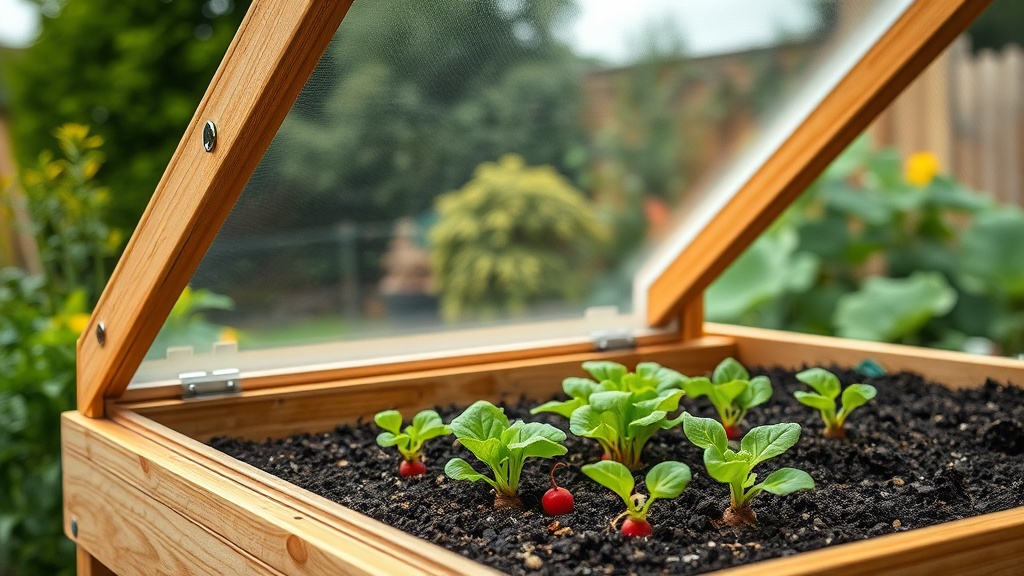
As an Amazon Associate we earn from qualifying purchases. This page contains affiliate links — if you buy through them, we earn a small commission at no extra cost to you.
Getting fresh lettuce in March, even with the British spring roller-coaster and whispers of late frosts, is entirely possible with a cold frame. This guide is your shortcut to an early harvest in the UK, detailing the right varieties, the micro-climate tricks that keep seedlings safe, and how to avoid the common pitfalls that can turn a promising start into a wilted disappointment. No more waiting for summer when you can be enjoying your own produce weeks ahead.
How to Manage Ventilation in Your Cold Frame This Spring?
Managing ventilation in your cold frame during spring is a crucial balancing act to prevent frost damage or bolting. The key is to treat the lid as your thermostat, adjusting it daily to maintain a ‘just right’ temperature for your plants, especially as UK daytime highs climb but night-time lows can still dip below freezing.
In the UK, daytime highs can reach 12‑15 °C by early April, while night‑time lows still dip below freezing. Your lid becomes your thermostat.
Ventilation Cheat Sheet (mental checklist):
- Sunny day, 10 °C+ inside? Open the lid fully, even if it’s only March.
- Cloudy or windy? Keep the lid closed or only crack it ajar.
- Night forecast ≤ 0 °C? Shut the lid and add a layer of newspaper or a fleece blanket for extra insulation.
Most beginners learn this the hard way when their ‘Winter Gem’ lettuce bolts in late April – they’ve left the frame shut on a warm, sunny spell, and the plants think they are in midsummer. The result? A bitter, over‑grown head that was useless for salads. The fix? A quick habit of checking the temperature each morning and adjusting the lid accordingly. In the UK spring, your cold frame is essentially a greenhouse. If the temperature hits 10 °C+ on a sunny day, open the lid, even if it’s March (as recommended by the RHS).
Super Early Harvests (Feb–April)
Getting a bite of fresh greens before the neighbours even have a seedling in the ground is the ultimate early‑bird win. These crops tolerate the chilliest nights and thrive in the gentle warmth of a sun‑warmed frame, allowing you to extend your growing season significantly.
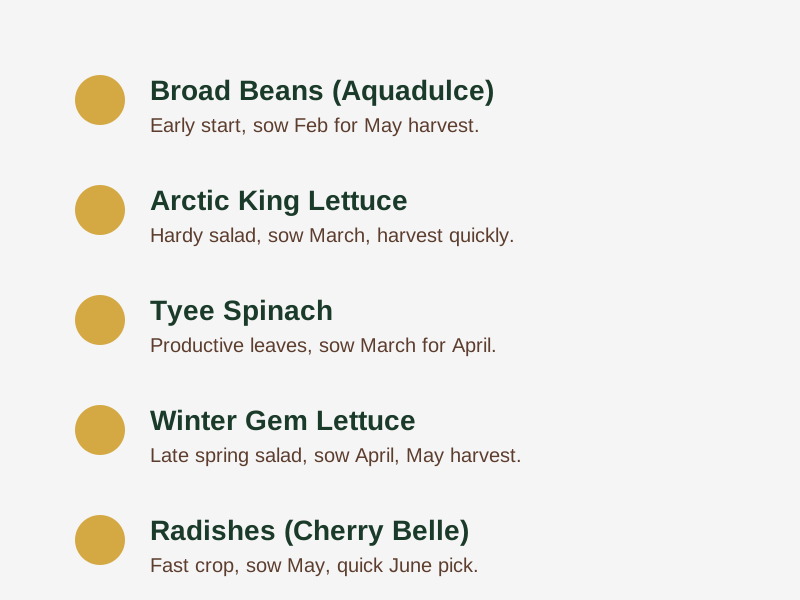
- Arctic King Lettuce – a hardy, slow‑bolting butterhead that tolerates temperatures down to –2 °C. Sow seed straight into the frame in late February; harvest leaf after leaf from March.
- Tyee Spinach – a solid, dark‑green variety that survives frost and produces tender leaves for weeks. Direct‑sow in early March.
- Garlic (hardneck) – plant cloves in February; the frame protects them from early freezes and speeds up the spring shoot. Harvest in May, well ahead of the open‑ground crop.
- Early Broad Beans (‘Aquadulce’) – sow in late February; the frame shields the pods from late frosts, giving you beans ready by early May.
- Radishes (‘Cherry Belle’) – sow mid‑March for a 3‑week harvest. Quick turnover, perfect for a spring starter.
Spacing tip: Give each seedling at least 5 cm between plants; overcrowding reduces airflow and invites damp‑related diseases. For a standard 1 m × 1 m frame, you can comfortably fit 20 lettuce plants or 30 radish seedlings.
For more on frame set‑up and positioning, see our main Cold Frames guide. If you’re still deciding which frame to buy, the **Christow Greenhouse Vegetables Polycarbonate UV-Stabilised (paid link) is a solid starter option — compact, easy to assemble, and enough room for your first spring sowings.
Mid‑Spring Growth (April–May)
As the days lengthen and the soil warms, you can move on to crops that need a touch more heat but still benefit from that protective roof. This is where your cold frame really starts to shine, providing a stable environment when outdoor conditions are still unpredictable.
- ‘Winter Gem’ Lettuce – a crisp, butterhead that tolerates cool weather but prefers daytime temps of 12‑15 °C. Sow in early April; start harvesting in late May.
- ‘Cherry Belle’ Radish – a classic, fast‑growing radish that thrives in the frame’s gentle warmth; ready in 4 weeks.
- Spring Onions (‘White Lisbon’) – plant sets in April; they’ll be ready to pull in about a month. Keep the soil moist – the frame can dry out quickly under the stronger spring sun.
- Peas (‘Kelvedon Wonder’) – sow in April; the frame protects the vines from sudden cold snaps, leading to a fuller harvest by June.
- Cabbage (early ‘Early Jersey’) – transplant seedlings in early May; the frame gives them a head start before the first summer heat.
Bolting warning: If you leave the lid shut on a warm day, lettuce and peas can bolt within days. Check daily and open the lid as soon as the temperature climbs above 10 °C.
Leafy Greens & Salads (Continuous Harvest)
Once you’ve got the early crops in the ground, the frame becomes a reliable source of cut‑and‑come‑again greens. These varieties keep producing fresh leaves right up to early summer, giving you a steady salad supply without constant resowing.
- ‘Redbor’ Kale – a hardy, dark‑green kale that tolerates light frosts and produces leaves for months. Sow in March; start cutting from April.
- Lamb’s Lettuce (Corn Salad) – tiny, sweet leaves that love the cool, moist conditions of a frame. Sow in March, harvest throughout May.
- Spinach (‘Tyee’) – as mentioned earlier, but now for a succession sowing: plant a new batch every two weeks from March to May for a rolling harvest.
- Swiss Chard (‘Bright Lights’) – bright‑coloured stems add colour and the leaves keep coming back until the heat of July. Sow in April.
- Mustard Greens (‘Mangel-wurzel’) – peppery leaves that thrive in cooler temps; sow in April for a quick 4‑week harvest.
Succession sowing tip: Plant a new row every 10‑14 days. This spreads the workload and ensures you never run out of fresh greens. Keep the soil evenly moist – the frame can dry out fast when the sun is strong.
What NOT to Grow in a Small Cold Frame
A cold frame is a cosy nursery, not a full‑size vegetable house. Trying to jam in big, heat‑loving plants often ends in disappointment – and a lot of wasted space.
- Avoid large, heat‑loving veg: Tomatoes, courgettes, and big cucumbers need higher temperatures and plenty of airflow. In a small frame they’ll overheat, become disease‑prone, and likely bolt. Stick these to a full‑size greenhouse if you have one.
- Skip bulky root crops: Parsnips, carrots (large varieties), and swedes demand deep soil and room to expand. A shallow frame will stunt their growth and make harvesting a nightmare.
- Don’t crowd with mature plants: A frame is best for seedlings and baby greens. Trying to grow a mature cabbage head inside will smother the plant and waste light.
If you’re after those bigger veg, consider expanding into a Greenhouses setup – they give you the height and ventilation control you need.
Cold Frame Planting Schedule
| Month | Crop | Sowing Method | Harvest Window |
|---|---|---|---|
| February | Garlic (hardneck) | Plant cloves | May |
| February | Early Broad Beans (Aquadulce) | Sow seeds | Early May |
| March | Arctic King Lettuce | Sow seeds | March onwards |
| March | Tyee Spinach | Direct sow | April onwards |
| March | Lamb’s Lettuce (Corn Salad) | Sow seeds | Throughout May |
| April | Winter Gem Lettuce | Sow seeds | Late May |
| April | Swiss Chard (Bright Lights) | Sow seeds | July |
| May | Early Cabbage (Jersey) | Transplant seedlings | Summer |
| May | Peas (Kelvedon Wonder) | Sow seeds | June |
| May | Spring Onions (White Lisbon) | Plant sets | June |
| May | Radishes (Cherry Belle) | Sow seeds | June |
| May | Mustard Greens (Mangel-wurzel) | Sow seeds | June |
| May | Spinach (Tyee) | Succession sow | June onwards |
As an Amazon Associate we earn from qualifying purchases. The products linked above are ones we recommend based on independent research and owner feedback.