How to Stop Your Cold Frame Turning into an Oven
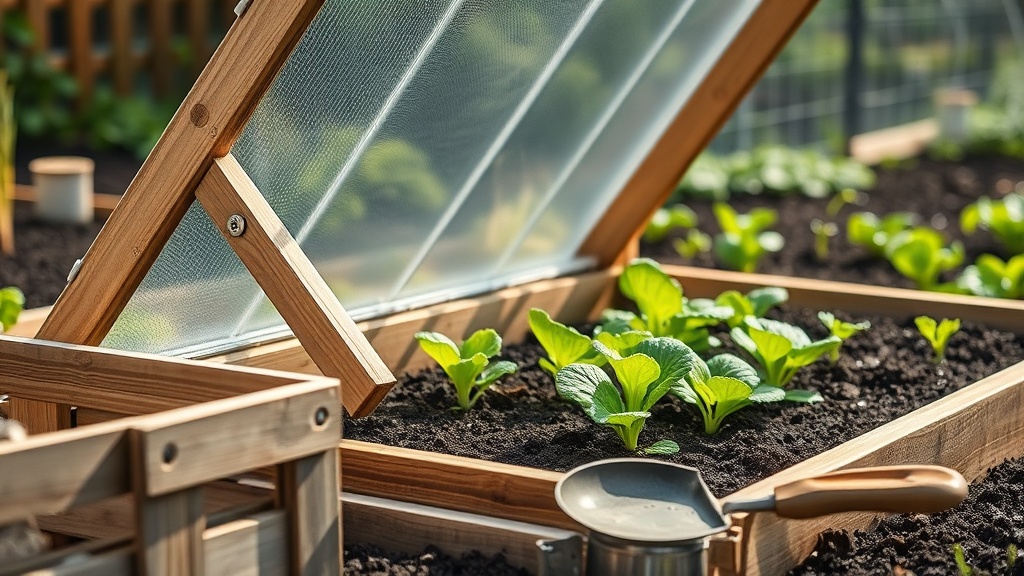
Open your cold frame on a July morning and a wave of steam rolls out – the lettuce inside is wilting, the soil dry as a desert. Your frame is doing its job: trapping heat. The problem is, it’s trapping too much, turning a valuable asset into an oven. While spring use is straightforward, summer brings intense heat, slugs, and aphids, making it feel like a double-edged sword. This guide will show you which crops truly love that extra warmth, which seedlings need protection, and – crucially – how to manage the temperature, ensuring your harvest keeps ticking over all season long.
The “Summer Winners”: Heat‑Loving Crops
The extra degree or two inside a cold frame is a blessing for fruiting plants that struggle to ripen in the UK’s relatively cool summer. These are the crops that will truly thrive:
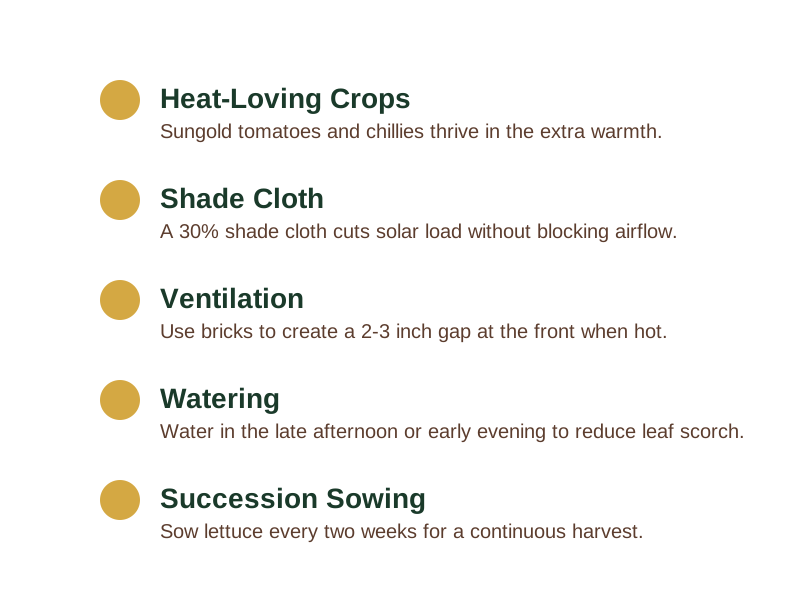
- Tomatoes – especially cherry types like ‘Sungold’ or ‘Tiny Tim’. The extra warmth speeds up colour development and can shave a week off the ripening time.
- Chillies & Sweet Peppers – varieties such as ‘Apache’ chilli or ‘Sweet Banana’ pepper love the consistent heat, producing a richer flavour than they would in an open bed.
- Cucumbers & Small Melons – a ‘Marketmore’ cucumber or a ‘Midget ‘Frost’ melon will set fruit more reliably when the frame adds that extra degree of warmth.
- Herbs – basil (especially ‘Genovese’) and coriander often bolt in the open garden, but they stay tender and aromatic for longer under cover.
Most owners have seen a modest‑size polycarbonate frame on a Birmingham allotment turn a shy ‘Sungold’ crop into a bumper harvest – the plants are noticeably larger than those grown on the border.
Looking for more tomato options? Check out our guide to the Best Tomato Varieties for UK Gardeners.
The “Summer Survivors”: Protecting Tender Seedlings
While the frame shields from wind and birds, summer also brings slugs, aphids and the dreaded flea‑beetle. Some crops benefit from the extra cover but still need a bit of extra care to truly thrive.
- Salad Leaves (Lettuce, Spinach) – they bolt quickly in the heat. Keep them in the frame but shade the tray with a light‑colour shade cloth and water in the evening.
- Strawberries – a ‘Sweetheart’ or ‘Albion’ plant will stay safe from birds and slugs, but remember to lift the lid for airflow to avoid mould on the fruit.
- Brassicas (Cauliflower, Broccoli) – young seedlings are prime targets for flea beetles. A covered frame gives them a head start; a quick spray of water with a few drops of neem oil works wonders.
- Root Veg (Carrots, Parsnips) – too much direct sun can make the roots tough. Plant them shallow and use a thin layer of straw as a natural shade.
A reader from Kent emailed after losing a whole batch of lettuce to slugs; the fix was simply to keep the frame closed at night and use a copper strip around the base – cheap, effective, and a real “aha” moment. For more tried-and-tested tips from fellow UK gardeners, check out our blog.
Need a natural way to keep slugs at bay? See our article on How to Get Rid of Slugs Naturally.
Managing the Summer Heat: Ventilation & Shading
A cold frame in July can be 10‑15 °C hotter than the outside air – that’s the truth, not a myth. The Royal Horticultural Society (RHS) advises that proper ventilation is crucial to prevent overheating, as temperatures inside can easily climb significantly higher than outside air. When the mercury climbs above 30 °C, the lid needs to be propped open.
- Ventilation is king – use two standard bricks or wooden wedges to create a 2–3 inch gap at the front. Most beginners learn the hard way when a heatwave sends their frame to 42 °C; the seedlings turn black overnight until they start using bricks.
- Shade cloth – a 30 % shade cloth draped over the frame cuts the solar load without blocking airflow. Even a sheet of white bubble‑wrap (white side out) works as a cheap, reusable reflector.
- Watering strategy – water in the late afternoon or early evening. A well‑moistened soil mass releases heat more slowly and reduces the risk of leaf scorch.
- Thermometer check – a simple max/min garden thermometer stuck in the soil gives you a clear picture; if the max hits 35 °C, increase the vent gap.
According to the GrowVeg Blog, regular vent adjustments (morning, mid‑day, evening) keep temperatures in a safe band and boost yields by up to 20 % in a typical UK summer.
Looking for a reliable gauge? Our roundup of Best Thermometers for Greenhouses has the details.
Now you know what to look for – Download the Free Checklist and keep track of vent settings, shading options and watering schedules.
Sowing vs. Planting: Timing Your Summer Crops
Knowing when to sow versus when to transplant is the secret to a continuous harvest.
- Sowing – lettuce, basil and quick‑growing radishes can be sown every two weeks directly into the frame. This staggered approach means you never run out of fresh leaves.
- Planting – wait until the risk of frost is gone (late May in most of the UK) before moving tomatoes, chillies and cucumbers into the frame. They’ll benefit from the extra heat without the shock of a cold snap.
- Succession – avoid planting everything at once. A simple timeline works well:
- Early May: sow lettuce, spinach, and basil.
- Late May: transplant tomato and pepper seedlings.
- July: add cucumbers and a second lettuce sowing for a late‑summer crop.
This rhythm spreads the workload and keeps the frame productive well into September.
For a full calendar, see our guide on When to Sow Seeds in the UK.
Summer Cold Frame Crop Guide
| Crop Type | Example Varieties | Summer Benefit |
|---|---|---|
| Fruiting | Sungold Tomatoes, Apache Chilli | Faster ripening and sweeter flavour |
| Fruiting | Sweet Banana Pepper | Consistent heat improves taste |
| Fruiting | Midget ‘Frost’ Melon | Reliable fruit set in UK climate |
| Leafy | Genovese Basil, Coriander | Delays bolting and keeps leaves tender |
| Salad | Lettuce, Spinach | Protection from slugs and heat stress |
| Root | Carrots, Parsnips | Shading prevents roots from becoming tough |
| Berries | Sweetheart, Albion Strawberries | Safe from birds and slugs |
| Brassicas | Cauliflower, Broccoli | Head start against flea beetles |