Can You Grow Fresh Veg in January?
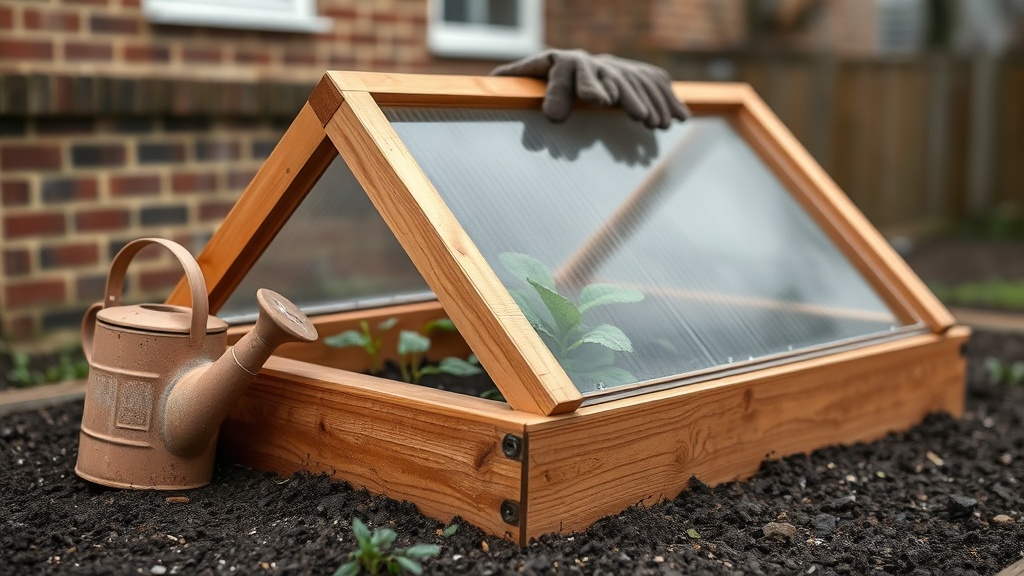
Growing fresh produce in a cold frame through a UK winter isn’t just a dream – it’s entirely achievable. Imagine pulling crisp spinach or sweet kale from your garden on a frosty Boxing Day, entirely home-grown. While the price of winter veg climbs, your cold frame can be a productive micro-climate. We’ve learned from owner feedback – like boiling seedlings in an unventilated frame – so you don’t have to. We’ll cover exactly which crops thrive, how to set up your frame for success, and the common pitfalls to avoid, ensuring you can harvest fresh leaves even when temperatures drop below freezing.
Ready to get your winter garden sorted? Download the Free Checklist and make sure you’ve covered every box before you sow.
What Can You Actually Grow in a Cold Frame in UK Winter?
In a UK winter cold frame, you can consistently grow a surprising variety of hardy leafy greens, root crops, and certain brassicas from November to March. These resilient plants not only tolerate the cold but often improve in flavour after a light frost, turning your “grey months” into a productive growing season. Here’s the shortlist that consistently thrives under cover.
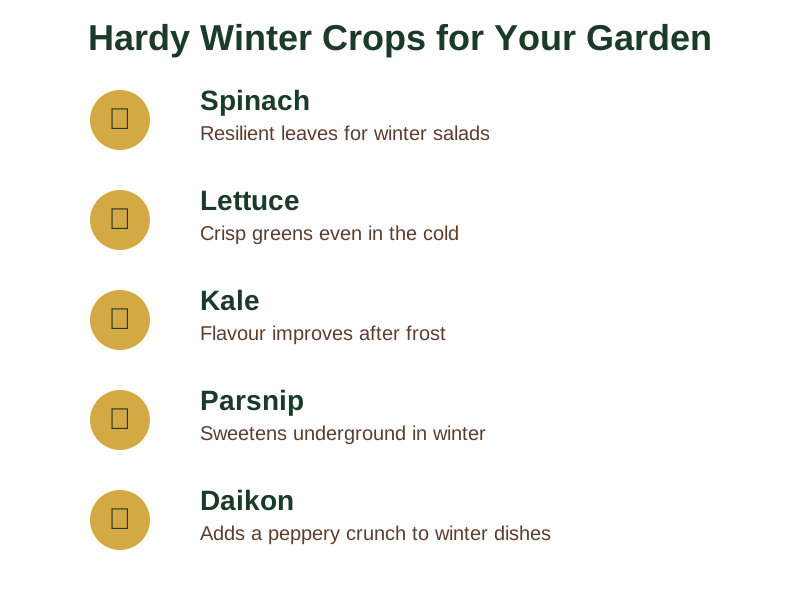
- Leafy Greens – Spinach (especially ‘Giant Winter’), Lamb’s Lettuce (Mâche), ‘Winter Gem’ lettuce, Mustard Greens such as Mibuna or Tatsoi.
- Root Crops – Parsnips (the sugar spikes after a hard frost), Daikon radish, Turnips (especially the ‘Purple Top’).
- Brassicas – Curly Kale (‘Nero di Toscana’), Winter Cabbage (‘January King’), Brussels Sprouts (the smaller ‘Roodenbeetse’ variety does well).
- Herbs – Parsley, Chives, Mint – they keep growing slowly under cover and survive sub‑zero nights.
Why these work: Frost actually acts as a natural sugar‑factory. It breaks down starches in parsnips and kale, giving them a sweeter flavour. The low, steady temperatures also keep leafy greens from bolting, letting you harvest over weeks rather than days.
Learned the hard way: Most beginners once plant a summer lettuce ‘Buttercrunch’ in November, hoping for an early crop. By the time it emerges the frame is icy, the leaves are limp, and they throw the whole lot away. Stick to the varieties above and you’ll avoid that waste.
For a quick reference, here’s a handy table you can print out:
| Crop Group | Recommended Varieties | Ideal Sowing Time |
|---|---|---|
| Spinach | ‘Giant Winter’, ‘Bloomsdale’ | Late Oct – early Nov |
| Lettuce | ‘Winter Gem’, ‘Merveille de Paris’ | Early Nov |
| Kale | ‘Nero di Toscana’, ‘Winterbor’ | Mid‑Nov |
| Parsnip | ‘Miller’s Early’ | Late Oct |
| Daikon | ‘Matsukaze’ | Early Dec |
| Mint | ‘Spearmint’, ‘Peppermint’ | Any time |
These choices are backed by the RHS’s hardiness ratings and by the practical experience of countless UK allotment growers (as often shared on programmes like Gardeners’ World).
Setting Up for Success: UK Winter Insulation
A cold frame is only as good as the micro‑climate you create inside it. The biggest mistake most beginners make early on is forgetting that winter sunshine can still overheat a sealed frame, leading to condensation and mould on the seedlings. Here’s how to get it right.
Ventilation – Let the Sun in, but let the steam out
On a bright January day, open the top vent or lift the lid by a few centimetres. It sounds trivial, but it stops the damp air from turning into mildew. A simple hinge‑mounted flap works wonders and costs less than £10 from any local DIY store.
Insulation – Bubble wrap does the trick
Clear bubble wrap (the kind you’d use for moving boxes) can be stapled to the inside of the frame’s glazing. It creates an extra 2‑5 °C of warmth – enough to keep the soil above freezing on most nights. The honest answer is you don’t need a fancy double‑glazed unit; a sheet of bubble wrap fixed with clips is spot on for a budget‑friendly frame.
Pro Tip: Before you plant, check the soil temperature with a simple garden thermometer. If it reads above 2 °C, you’re good to go. Below that, add an extra layer of newspaper or a second bubble‑wrap sheet.
Location – South‑facing is worth its salt
Place the frame against a south‑facing wall or fence that absorbs heat during the day. A neighbour’s garden in Manchester once complained that their frame was “on the blink” because it sat in a shady corner; moving it to the sunny side raised yields dramatically.
Watering – Less is more
Winter growth is slow, so over‑watering is the biggest killer. Stick your finger into the soil; if it feels damp, hold off. A gentle mist every week is usually sufficient, especially if you’ve insulated well.
Most beginners learn this after a winter where their radishes turn to mush – they’ve been watering daily because the soil looks dry on the surface, not realising the insulation keeps the moisture trapped. The result? A soggy mess and a lot of wasted seed.
For a full rundown of frame construction, see our Cold Frame Setup guide.
Troubleshooting Winter Failures
Even with the best set‑up, things can go pear‑shaped. Here are the most common issues and how to fix them.
Damping‑off fungus – If the soil stays constantly wet, the seedlings will rot. Ensure good drainage by adding a thin layer of coarse sand at the bottom of the frame. Most beginners once use garden soil straight from their compost heap; it is too heavy and the seedlings collapse within days.
Slugs and snails – They love the mild, damp environment of a cold frame. A simple copper tape around the rim or a handful of crushed eggshells works as a barrier. Some owners have even tried a DIY beer trap, but the smell attracts more pests than it deters.
Mildew on leaves – Poor airflow is the culprit. Open the vents on the warmest sunny days and give the plants a quick shake to dry them off. A friend in Cornwall swore by a small electric fan powered by a solar panel – a bit of a faff, but it kept his kale leaf‑spot free.
The “Dormant” period – Growth will inevitably slow in December and January. Don’t panic if you see little new leaf. It’s simply the plants conserving energy. Thin any weak seedlings in February to give the stronger ones room to flourish.
If you’re hitting a wall, a full‑size greenhouse can provide the extra heat control you need, but that’s a whole other project – see our Greenhouse guide for the basics.
Seasonal Calendar: What to Expect Month‑by‑Month
A quick timeline helps you stay on track and avoid the “I forgot to water” trap.
- Nov – Jan – Plant the hardy greens listed above. Use heavy insulation (double bubble wrap) and expect minimal harvests at first. Check the frame daily for frost build‑up; open vents on sunny spells.
- Feb – Mar – The days lengthen and temperatures creep up. Look for new shoots, thin seedlings, and start sowing early spring crops like peas in a shallow tray. Reduce insulation slightly to avoid overheating.
Think of it as a waiting game in the deep winter, then a gentle ramp‑up as spring peeks through.