How to Grow All Year Round Without a Greenhouse
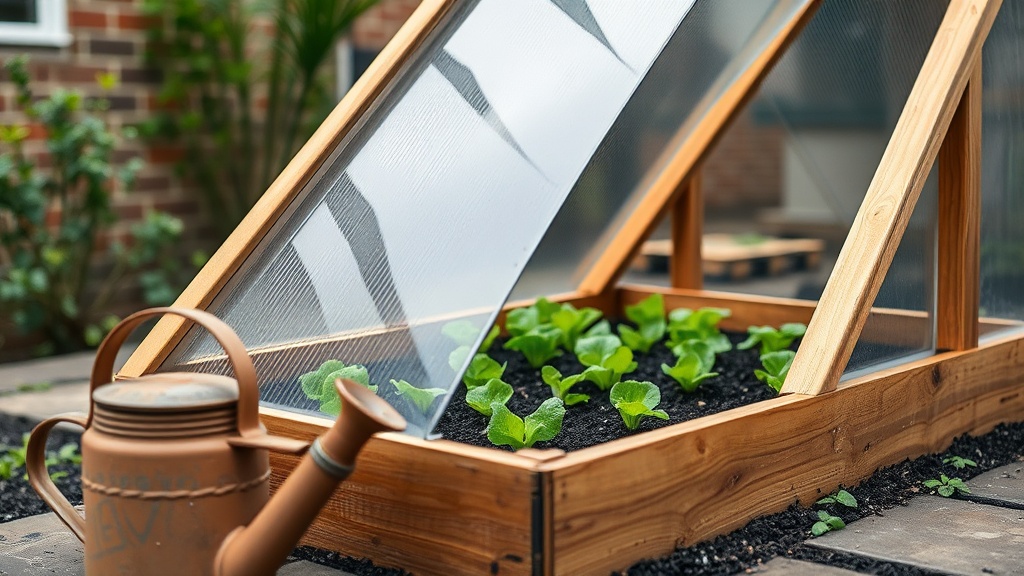
The late‑May frost that steals most beginners’ first batch of lettuce is a common setback. One minute the seedlings are thriving, the next a sudden chill turns them into mush. A cold frame saves most beginners that year – not because it’s a fancy box, but because it lets them control the micro‑climate. You’ll learn exactly how to tune that little glass‑capped world month by month, so you can harvest fresh greens in December and start the next round in February without the guesswork.
(If you’re new to cold frames, think of them as a mini‑greenhouse you can open and close with a flick of the lid. They trap heat at night, let sunshine in by day, and—when you manage the vents—become a reliable extension of your garden.)
Ready to stop the frost‑kill roulette? Download the Free Cold Frame Checklist and start planning your seasonal actions today.
The Mechanics of the Micro‑Climate
A cold frame is only as good as its ability to balance heat and airflow. The lid acts like a solar collector: it absorbs sunlight during the day and releases that stored warmth after sunset. But if you forget to let that heat escape, the frame turns into an oven and the seedlings wilt.
Ventilation Rules – the lifeline of any frame:
- Rule 1: Open the lid on any sunny day, even in winter. The solar gain will warm the soil, and the fresh air prevents the dreaded “damping‑off” mould.
- Rule 2: Close the lid before sunset to lock in the heat you’ve just collected.
Most beginners learn this the hard way when a sudden heatwave in June 2022 leaves their lettuce scorched because they’ve kept the lid shut all day. A quick flip of the lid saved the next planting, and the lesson stuck.
The “Frost Pocket” Risk – Cold air sinks, so positioning matters. A frame tucked into the low side of a garden slope will collect cold air at its base, creating a frost pocket that can dip several degrees below ambient. Aim for a flat, sunny spot, preferably with a brick or stone wall on the north side to reflect heat. The Met Office often highlights how local topography can create microclimates, making careful cold frame placement essential for UK gardeners.
Ventilation Cheat Sheet (quick reference):
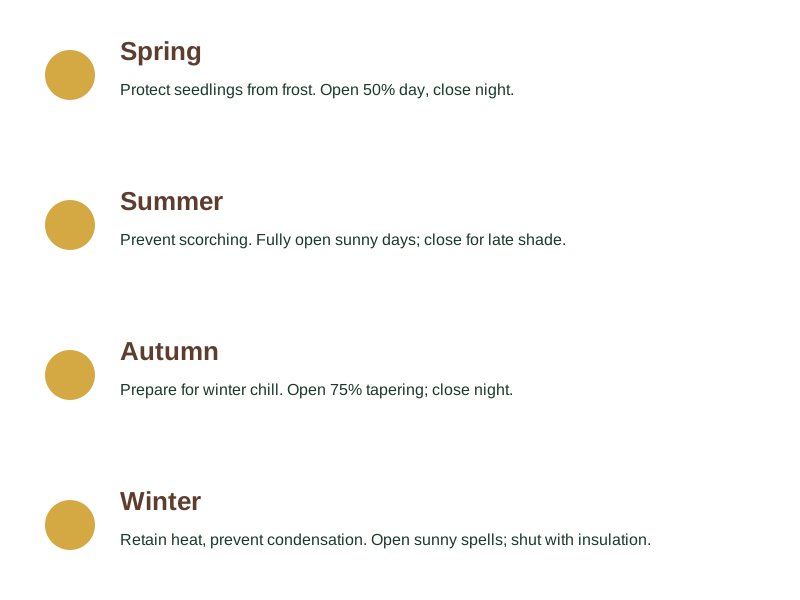
- Spring: Open ~50 % of the lid during the day, fully close at night.
- Summer: Keep the lid fully open on sunny days; close only for late‑afternoon shade.
- Autumn: Start with 75 % opening, taper to full open as days shorten.
- Winter: Open fully on any sunny spell; otherwise keep shut but add insulation layers (see below).
For a deeper dive on frame materials and how they affect heat retention, see our guide on Best Cold Frame Materials.
“A cold frame is only as good as its ventilation; if you don’t open the lid, your plants will cook.” – RHS “Growing under glass”.
Spring: Sowing and Hardening Off (March – May)
Spring is when the frame truly shines, protecting early seedlings from the fickle UK weather while giving them a head start on the season.
Sowing schedule – start hardy varieties as soon as the soil can be worked:
- Late March: Spinach, Broad Beans, ‘All Year Round’ onions.
- Early April: Early carrots, Winter lettuce (e.g. ‘Merveille de Paris’).
- Mid‑April: Peas, early kale.
Hardening off – the transition from indoor seed‑starting to the frame should be gradual. Move trays onto a sunny windowsill for a day, then onto the cold frame for two days, increasing exposure each day. This “soft landing” reduces shock compared with dumping seedlings straight onto a cold frame floor. The Royal Horticultural Society (RHS) strongly recommends a gradual hardening off period of 7-14 days to prevent plant shock and ensure successful transplantation.
Ventilation – as temperatures climb, open the lid wider each morning. By mid‑May the frame should be fully open on sunny days; close only at night to preserve the extra warmth.
What NOT to plant – Tender crops like tomatoes, peppers, and courgettes should wait until at least the last week of May, when night temperatures consistently stay above 10 °C. Planting them early leads to stunted growth and, more often, a wilted mess.
A reader from Manchester wrote that they lost a whole tray of early tomatoes because they ignored the “no‑tomato‑till‑late‑May” rule. The cure? Stick to the schedule and keep the lid open for those heat‑loving plants.
For seed suggestions tailored to UK winter growing, check out Best Seeds for UK Winter Growing.
Summer: Maintenance and Harvest (June – August)
When the British summer turns sunny, a cold frame can become a scorching greenhouse if you don’t manage the heat.
The danger of summer sun – With clear skies, the frame can reach 30 °C or more inside, even when the outside is a comfortable 20 °C. The rule of thumb is simple: treat the frame like a greenhouse and vent constantly.
Watering – Soil dries out much faster under a glass lid. Check the moisture daily; a quick finger test at 2 cm depth tells you if you need to water. A light mist in the early morning prevents the soil surface from cracking.
Harvesting – Leafy greens such as lettuce and spinach bolt (go to seed) quickly in the heat. Harvest leaves early, and consider a second sowing of fast‑growing radishes or salad mixes for a rapid turnaround.
Succession planting – Use the frame’s warmth to start a second round of crops for an early autumn harvest. For example, sow a batch of winter lettuce in late July; it will be ready to move to the outdoor bed in September.
Most beginners once leave the lid shut on a bright June day, assuming the frame will protect their kale. By evening the tops are wilted, the leaves rubbery. The fix? Install a simple hinged vent or a piece of fine mesh that you can flip open without dismantling the frame.
For a quick guide on blanching celery (a handy summer task), see How to Blanch Celery.
Autumn: Protection and Preparation (September – November)
Autumn is the transition period where you move from rapid growth to protecting what you’ve already achieved.
Planting autumn crops – This is the time to sow garlic cloves, winter lettuce (e.g. ‘Winter Density’), and early varieties of cabbage that will overwinter. Plant them at the depth recommended on the seed packet – usually twice the seed size for garlic.
Mulching – Add a 5‑10 cm layer of straw, shredded leaves, or well‑rotted compost over the soil surface. This acts as an insulating blanket, keeping root zones a few degrees warmer on frosty nights. Garden Organic, a prominent UK charity, frequently advocates for mulching in protected growing to improve soil health and regulate temperature.
Pest watch – As the days shorten, slugs and mice become more active, hunting for the last bits of fresh growth. A simple copper slug barrier around the frame’s base and a layer of coarse sand under the mulch can deter both.
Autumn Prep Checklist –
- Check and tighten all hinges and latches.
- Clean the lid of any debris that could block sunlight.
- Lay mulch around the base of the frame.
- Set out a mouse‑proof tray for seed storage.
A fellow allotment gardener in Kent discovered that a stray mouse had chewed through the wooden slats of his frame’s side panel, letting cold air in and ruining a batch of overwintering kale. Reinforcing the side with a thin metal strip solved the problem and saved the crop.
For more on winter garden pests, read Winter Garden Pests.
Winter: The Survival Guide (December – February)
Winter is where the cold frame truly proves its worth. With the right insulation and a bit of vigilance, you can keep hardy greens growing while most neighbours are digging out of the ground.
Insulation layers – Think of the frame as a thermos. Inside the lid, place a sheet of horticultural fleece (≈150 g m⁻²) directly against the glass. On the back wall, line the interior with bubble‑wrap (the kind with 1 cm bubbles) before adding a second layer of fleece. This “double‑blanket” traps solar heat and reduces heat loss through the walls.
Ventilation – Even on the coldest days, open the lid on any sunny spell. The sun’s rays will warm the soil, and a brief vent prevents condensation that can lead to mould. Close the lid as soon as the sun dips below the horizon.
What to grow – Hardy salad leaves such as Lamb’s Lettuce, Mizuna, and winter spinach thrive under these conditions. Root vegetables like carrots and parsnips can also be left in the ground; the frame protects their crowns from frost, allowing a spring harvest.
Heating – Most hardy crops won’t need extra heat, but early peas or very tender seedlings may benefit from a low‑wattage heated propagator placed inside the frame. Use a thermostat to keep the temperature just above 5 °C; this avoids unnecessary energy use.
Winter Insulation Layering Guide (quick visual):
- Bottom: Bubble‑wrap against the rear wall.
- Mid‑layer: Horticultural fleece over the soil surface.
- Top: Fleece stretched over the lid, secured with clothespins.
A reader from Edinburgh tried using a single sheet of clear plastic as insulation and ended up with a “greenhouse effect” that melted the seedlings. The lesson? You need a breathable, insulating material – not just a tighter seal.
For the best heated propagators, see Best Heated Propagators. For more general advice on extending your growing season, check out our blog.
What are the most common cold frame issues and how do I fix them?
Most cold frame problems boil down to poor ventilation or inadequate protection, leading to either overheating or chilling. Catching these issues early is key, and often a simple adjustment to the lid or adding insulation can save your crop.
| Symptom | Likely Cause | Quick Fix |
|---|---|---|
| White mould on soil | Poor airflow, excess moisture | Open the lid fully for an hour, water less often |
| Wilting, scorched leaves | Overheating, lid left shut on sunny day | Vent immediately, shade with a light cloth if needed |
| Yellowing, stunted growth | Sudden freeze, no insulation | Add a layer of fleece or bubble‑wrap; protect with a cloche |
The honest answer is that most problems boil down to one simple action: open the lid. If you catch the issue early, a few minutes of ventilation can save an entire crop.
Cold Frame Ventilation Cheat Sheet
| Season | Daytime Opening | Nighttime Action | Key Focus |
|---|---|---|---|
| Spring | ~50% of lid | Fully close | Protect seedlings from frost |
| Summer | Fully open on sunny days | Close only for late-afternoon shade | Prevent overheating and scorching |
| Autumn | Start 75%, taper to full open | Fully close | Prepare plants for winter chill |
| Winter | Fully open on sunny spells | Keep shut but add insulation | Retain solar heat and prevent condensation |