Why Cold Frames Breed Pests
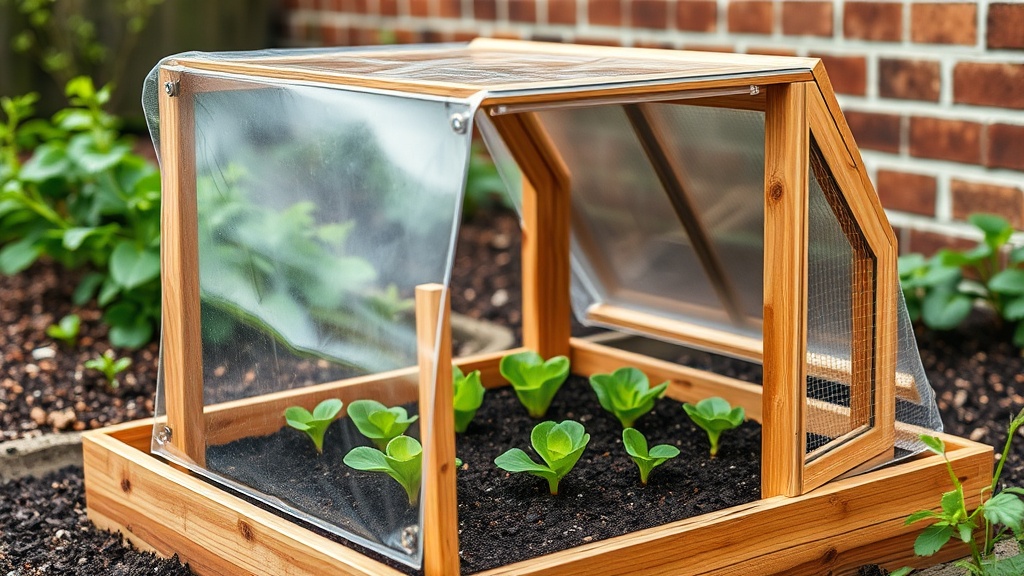
You’ve just cracked open the lid of your cold frame and found a thin veil of white dust on the lettuce leaves – and a few tiny green specks hopping about. It’s a classic “micro‑climate” panic: the humidity is sky‑high, the air is still, and suddenly you’re wondering if you should have stuck to the open garden after all. Don’t worry – you’re not alone. The very thing that makes a cold frame brilliant for extending the season also creates a perfect breeding ground for pests and disease. The trick isn’t to spray everything away; it’s to manage the environment so the unwanted guests can’t get a foothold.
Why Cold Frames Are Unique Breeding Grounds
A cold frame is essentially a miniature greenhouse with one big flaw: it traps heat and moisture. Sunlight heats the glass or polycarbonate lid, but because there’s little ventilation, the warm air condenses on the inside surface each night. The result is a constantly damp interior – the perfect incubator for fungal spores and soft‑bodied pests.
Most beginners learn this the hard way in spring when they notice water droplets on the lid every morning. Within days, powdery mildew takes hold of their spinach, and aphids swarm the lettuce. (You can read more about our research here). The lesson? High humidity and lack of airflow are the primary causes of fungal diseases in a cold frame. As the Royal Horticultural Society (RHS) often advises, environmental control is key.
That “Condensation Trap” is a hidden danger – if you can’t see the water, you can’t fix it. Keep an eye on the lid; if it’s wet inside, you’re already a step behind the pests.
The “Airflow vs. Frost” Dilemma
Ventilation is the first line of defence, but in the UK the fear of a sudden frost can make gardeners over‑seal their frames. Open the lid too much and the temperature plummets; keep it shut and humidity spikes.
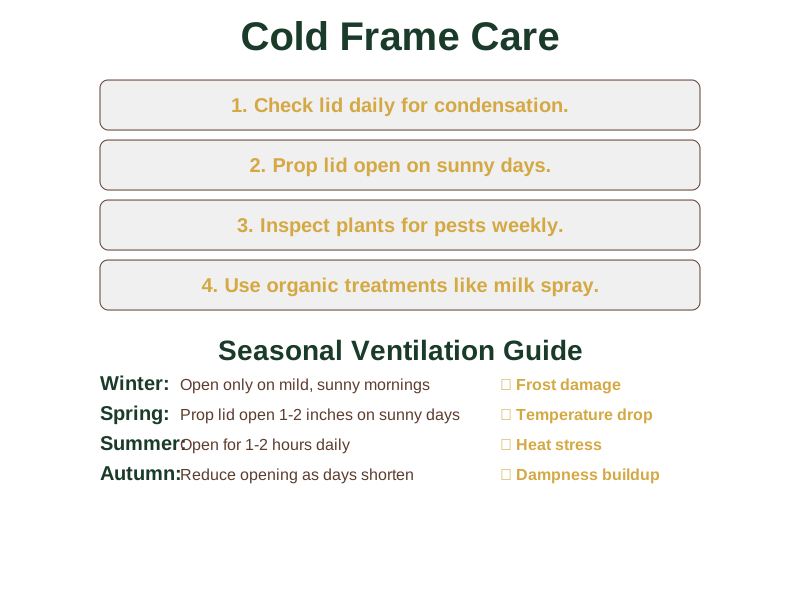
The solution: the “Lift and Prop” method. Prop the lid open an inch or two on a brick, a piece of wood, or a purpose‑made prop stick. This tiny gap lets moist air escape while still retaining enough warmth for seedlings.
Be more aggressive in late spring and summer – open the frame for an hour or two on sunny days, even if the temperature is only 10 °C. In winter, restrict ventilation to clear, sunny mornings when the risk of frost is low. Most owners use a simple 30 cm wooden stick that fits snugly under the lid; it’s cheap, belt‑and‑brace reliable, and never rattles in the wind.
If you’re unsure, check the temperature inside with a cheap garden thermometer. When the reading is within 2–3 °C of the outside, you’re probably ventilating enough.
Organic Pest Control: The Physical Barriers
Before you reach for any spray, think about keeping pests out in the first place. Physical exclusion works brilliantly in a confined space like a cold frame.
- Mesh Covers: Drape fine, insect‑proof garden netting (around 0.5 mm mesh) over the frame before you close it for the night. It stops whitefly and aphids from flying in, yet still lets light through.
- Sanitation: Remove any dead leaves, wilted shoots, or fallen fruit each week. Those bits become a banquet for slugs, snails, and fungus spores.
- Soil Health: Use well‑composted, coarse organic matter rather than fine peat. A crumbly mix drains better and doesn’t attract slugs as readily.
A reader in Birmingham told me they’d been losing seedlings to slugs until they added a layer of coarse sand around the base of the frame and fitted a fine mesh cover. The slugs vanished – simple, cheap, and worth its salt.
For more cover ideas, see our guide on the Best Cold Frame Covers.
Biological Controls: Introducing Beneficial Insects
When pests do get in, bring in nature’s own army. In a small, sealed environment, a handful of ladybirds or a sprinkle of nematodes can make a massive difference.
- Ladybirds (Coccinellidae): The classic aphid predator. Purchase a small packet (around 10 – 20 beetles) from a reputable UK supplier such as The Bug Lady. Release them early in the season; they’ll hunt aphids and other soft insects voraciously.
- Nematodes: Microscopic worms that attack soil‑borne pests like vine weevil larvae. Apply a suspension of Steinernema feltiae to the soil, following the label’s dilution instructions. Garden Organic notes that nematodes are safe for plants, pets, and beneficial insects.
- Yellow Sticky Traps: Hang a few strips on the inside of the frame to monitor whitefly activity. They double as a low‑tech trap, catching adults before they reproduce.
Most beginners try a DIY ladybird release in their first year on a balcony cold frame. Within days the aphid colonies were gone – the beetles were relentless. Just remember to keep the frame lightly ventilated; otherwise the ladybirds can escape or become trapped themselves.
For a deeper look at organic options, check out Best Organic Pesticides for UK Gardens.
Treating Common UK Pests (Aphids, Slugs, Whitefly)
Now for the hands‑on fixes when you spot trouble. The protocols below are all organic, cheap, and work inside a cold frame.
Aphids – The “Water Blast”
- Fill a garden hose with a fine spray nozzle.
- Direct a strong jet of water at the affected plants, dislodging the aphids.
- Repeat every two days until the colonies are gone.
If water alone isn’t enough, mix a few drops of mild liquid soap (e.g., Castile) into a litre of water and spray the foliage. The soap breaks the aphids’ protective coating without harming the plant.
Slugs – Beer Traps & Copper Tape
- Beer Trap: Bury a shallow dish up to rim level, fill with a few centimetres of cheap lager, and place it at the base of the frame. Slugs are attracted, fall in, and drown. Replace weekly.
- Copper Tape: If your frame sits on legs, wrap a thin strip of copper tape around each leg. The metal creates a mild electric shock that slugs avoid.
A neighbour in Kent swore by copper tape – it’s a bit of a faff to fit, but once in place it’s virtually maintenance‑free.
Whitefly – Vacuum & Sticky Traps
- Use a handheld vacuum (the brush attachment works best) to suck adult whiteflies off the leaves.
- Hang yellow sticky traps (as mentioned above) to catch any that escape.
All three pests share one common theme: regular monitoring and prompt action stop an outbreak becoming a full‑blown disaster.
Managing Fungal Diseases (Powdery Mildew & Rot)
Fungal problems thrive on the moisture that makes a cold frame useful in the first place. The key is to reduce that moisture and treat early signs.
Powdery Mildew – Milk Spray
Mix equal parts whole milk and water (≈ 50 % milk). Spray the solution onto affected leaves every 5–7 days, covering both sides. The proteins in milk create an environment hostile to the fungus, a tip often shared by Garden Organic.
Root Rot – Drainage Check
- Ensure the soil is light and well‑draining; add coarse sand or perlite if it feels soggy.
- Avoid watering from above; instead, water from a tray beneath the frame, letting the soil soak up what it needs.
Airflow – The Re‑Emphasis
Even after treating, keep the lid propped open for a while each day. Fresh air dries the leaf surface and prevents spores from re‑settling.
Most beginners once ignore a small patch of powdery mildew on their kale, assuming it will fade. Within days the whole plant is covered, and they have to pull it out. The milk spray saved the rest of the crop, but the lesson was clear: catch it early, and keep the air moving.
Now you know what to look for – Download the Free Checklist that walks you through a quick audit of humidity, ventilation, and pest‑prevention steps for your cold frame.
A Practical Ventilation Guide
| Season | Ventilation Strategy | Risk Factor |
|---|---|---|
| Winter | Open only on mild, sunny mornings | Frost damage |
| Spring | Prop lid open 1-2 inches on sunny days | Temperature drop |
| Summer | Open for 1-2 hours daily | Heat stress |
| Autumn | Reduce opening as days shorten | Dampness buildup |