Glass or Polycarbonate: UK Gardeners' Dilemma
As an Amazon Associate we earn from qualifying purchases. This page contains affiliate links — if you buy through them, we earn a small commission at no extra cost to you.
Choosing between polycarbonate and glass for your UK cold frame often feels like a gamble. Most beginners have seen it all – from a cracked glass pane turning their lettuce into a soggy mess, to polycarbonate yellowing after a few seasons of relentless British weather. The ‘best’ glazing isn’t about universal superiority, but about what stands up to our specific climate and your gardening needs. Let’s dig into the real-world pros and cons of each, so you can pick the material that keeps your crops thriving, come wind or rain.
Which Glazing Withstands UK Weather Best?
In the unpredictable British climate, polycarbonate generally withstands wind stress better due to its flexibility, while glass offers superior clarity and is less prone to condensation. Wind load is often the first deal-breaker for cold frames. Glass is heavy and rigid – great for staying put, but if a gust lifts the frame or a stray branch hits it, the pane can shatter. Polycarbonate, especially twin-wall panels, is lighter and flexes with the wind, meaning it can absorb uplift without cracking. The catch? Because it’s lighter you need a sturdier frame and secure fixing points; otherwise the whole thing can rattle loose.
Condensation – the silent gremlin. A glass surface stays dry longer because it doesn’t “sweat” as readily. Polycarbonate’s inner surfaces can collect moisture, especially on cool, damp mornings. The RHS warns that unchecked condensation can foster mould on seedlings (RHS Greenhouse Ventilation Guide). Simple vents at the top and bottom of the frame usually keep the air moving, but you have to remember to open them regularly.
UV degradation. Polycarbonate comes with a UV-blocking coating, but if the surface gets scratched the coating can wear away, leaving the sheet yellow and brittle after five to ten years. Toughened glass is inert – it won’t yellow, and it tolerates the occasional stray stone without a fuss.
Polycarbonate handles wind stress better, but glass offers superior clarity and is less prone to condensation.
If you live in a windy coastal town or a high-altitude garden, the flexible nature of polycarbonate can be a lifesaver. If your plot is sheltered behind a wall or hedgerow, glass may give you that crystal-clear light you crave for delicate seedlings.
Learn more about venting your frame here → Cold Frame Ventilation Guide
How Do They Compare for Insulation and Temperature Control?
Heat is the currency of a cold frame, and the glazing decides how much you keep.
Glass: A single pane of ordinary float glass is a poor insulator – think of a thin kitchen window. Double-glazed toughened glass does the job, but it adds cost and weight. Most UK gardeners stick with single glass and rely on the frame’s mass to store heat, which works fine on sunny days but drops quickly once the sun dips.
Twin-wall polycarbonate: The air pockets sandwiched between the two layers act like a built-in blanket. In tests by Palram, a typical 4 mm twin-wall sheet retains heat 5–10 °C higher than single glass under the same conditions. That extra warmth can mean the difference between a thriving winter spinach and a wilted mess.
The greenhouse effect: Both materials trap solar radiation, but polycarbonate’s lower thermal conductivity means the heat stays inside longer. Most beginners once leave a lettuce tray in a glass-only frame on a chilly October night; the temperature falls to 2 °C and the leaves turn black. Switch to twin-wall polycarbonate, and the same night stayed at a cosy 7 °C.
If you’re aiming for late-autumn or early-spring crops – think kale, broad beans, or hardy peas – twin-wall polycarbonate is worth the extra £ (approximately £30–£45 per square metre, depending on thickness and supplier). All figures are approximate estimates based on typical UK prices at time of writing. Always check current pricing directly.
Check out which plants thrive in a warm frame → Best Plants for Cold Frames
Durability, Safety & Repairability
Safety first. Broken glass is a nightmare – shards can cut both you and any curious pets, and you’ll need to replace the pane with safety-glass that meets UK safety standards for glazing. Polycarbonate is shatter-resistant; it may crack, but it stays in one piece, much like a sturdy car windshield.
Repairability: When a glass pane cracks, you’re usually looking at a professional replacement, which can run £80–£120 for a standard size (labour included). Polycarbonate sheets, on the other hand, can be cut to size with a simple jigsaw and screwed in place for roughly £15–£25 per sheet. Most beginners once try a DIY fix on a cracked glass pane with a “belt and braces” approach – taping it with duct tape and hoping for the best. The result? A leaky frame that lets cold air in and ruins their winter radish crop. Lesson learned: don’t cheap-out on glass repairs.
Longevity: High-quality polycarbonate, with a proper UV coating, can last 10–15 years before noticeable yellowing. Cheap panels may go brown after five years, reducing light transmission. Glass, if it survives the storm, lasts essentially forever – it doesn’t degrade under UV, and a well-sealed frame can keep it clear for decades.
Maintenance tip: Polycarbonate loves a good clean, but avoid abrasive cleaners; a soft cloth with mild soap is enough. Glass can be polished with a regular window cleaner. Both benefit from an annual wipe-down to keep dust from blocking light.
Keep your frame in top shape → Cold Frame Maintenance
The Decision Matrix: Which Should You Choose?
If you’re still on the fence, here’s a quick “If/Then” guide that matches common UK garden scenarios to the right glazing.
- If you live on a windy coastal site or a high-altitude allotment, then polycarbonate is the practical choice. Its flexibility reduces the risk of breakage, and the superior insulation keeps crops warm on those blustery evenings.
- If you’re a beginner with limited DIY confidence, then polycarbonate does the trick. Swapping a cracked sheet is a weekend job; you won’t need a specialist.
- If you prize crystal-clear light for delicate seedlings – think tomatoes, peppers, or exotic herbs – then glass wins. The higher light transmission can boost growth rates, especially in the shorter daylight of early spring.
- If your frame sits in a sheltered corner, shielded by a garden wall or mature hedgerow, then glass can be worth its salt. You’ll enjoy the aesthetic of a classic greenhouse look without the constant worry of wind damage.
- If you’re watching the budget but don’t want a “bit of a faff” later, then polycarbonate offers the best value-for-money. Initial outlay is lower, and repair costs stay modest.
Ready to lock in your choice? Now you know what to look for – Download the Free Checklist to compare your garden’s conditions, budget, and maintenance preferences side by side.
Buying Guide: What About the Frame?
Glazing is only half the story; the frame material must complement it.
- Aluminium frames are lightweight, rust-proof, and pair perfectly with polycarbonate. Their low weight means the whole structure stays stable in gusty conditions, and the sleek look blends nicely with modern garden aesthetics.
- Wooden frames bring a traditional charm and blend into a cottage garden, but they demand regular treatment – a coat of oil or deck paint every few years to stop rot in the damp UK soil. If you opt for glass, a sturdy hardwood or treated softwood frame adds the necessary weight to keep the heavy panes from rattling.
- Steel frames (galvanised) are a solid middle ground – strong enough for glass, but heavier than aluminium. They’re a good choice for larger cold frames where wind pressure is a real concern.
Tip: When buying, ask the supplier about the frame’s corrosion resistance and whether the joints are reinforced with stainless-steel screws. A belt-and-brace approach to the corners can save you a lot of stress when the wind picks up.
Specific Models Worth Considering
- Christow Greenhouse Vegetables Polycarbonate UV-Stabilised (paid link) — A wooden frame paired with polycarbonate panels. It gives you the classic look with the safety and insulation of plastic glazing. Good for small gardens and balconies.
- Parkland Greenhouse Plastic Outdoor Garden (paid link) — A budget three-tier PVC grow house. The panels are lightweight and the whole unit is easy to move, though you’ll need to anchor it properly in wind.
- Forest Large Overlap Cold Frame (paid link) — If you prefer real timber, this overlap-style frame uses pressure-treated wood with a polycarbonate lid. The construction is solid enough to survive a Scottish winter.
Explore sturdy wooden options → Best Wooden Cold Frames
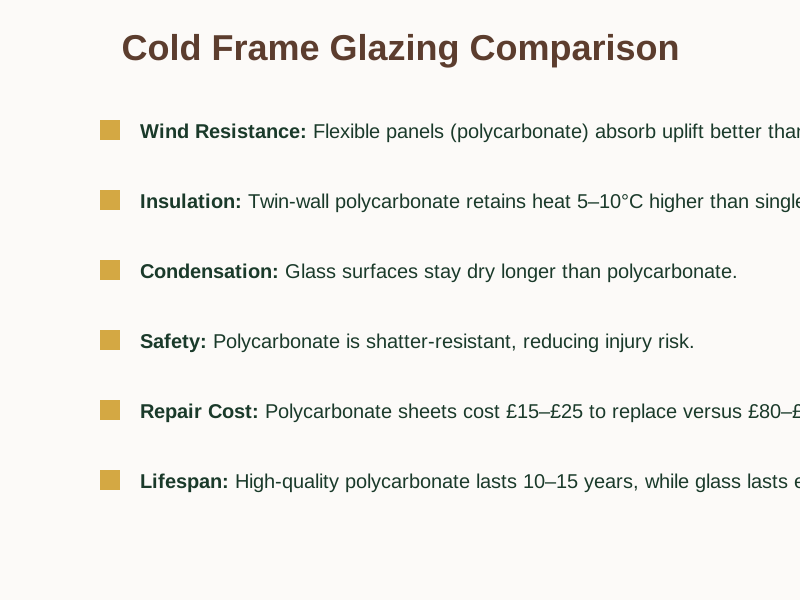
Cold Frame Glazing Comparison
| Feature | Polycarbonate | Glass |
|---|---|---|
| Wind Resistance | Flexible, absorbs uplift | Rigid, prone to shattering |
| Insulation | Retains heat 5–10°C higher | Poor insulator unless double-glazed |
| Condensation | Can collect moisture | Stays dry longer |
| Safety | Shatter-resistant | Dangerous shards if broken |
| Repair Cost | £15–£25 per sheet | £80–£120 for professional replacement |
| Lifespan | 10–15 years (with UV coating) | Essentially forever |
As an Amazon Associate we earn from qualifying purchases. The products linked above are ones we recommend based on independent research and owner feedback.