Boost Cold Frame Seedling Survival: Hardening Off Done Right
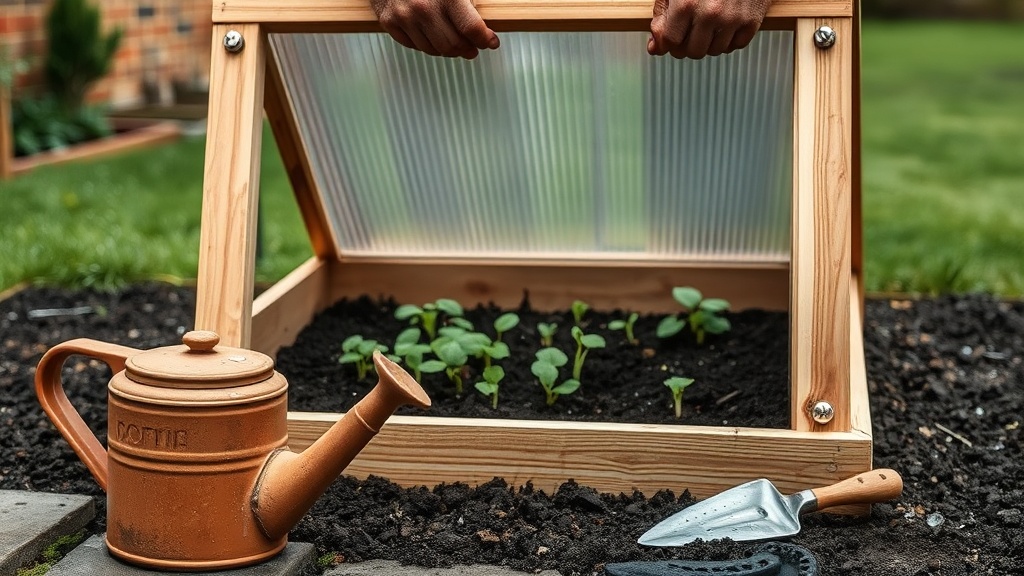
You’ve just sown the first batch of tomatoes and brassicas, and the moment the seedling tray slides into the cold frame the weather forecast flips to “rain + possible frost”. That gut‑punch feeling that your hard‑won seedlings might be doomed is all too familiar. Most beginners watch a promising lettuce crop disappear under a sudden easterly chill, only to discover they’d left the lid shut all day. The difference between losing seedlings and raising sturdy plants comes down to a simple routine: the right soil, timed ventilation, a fleece backup for frost nights, and a two‑week hardening‑off plan before they go into the ground.
The “Day 1” Setup: Positioning & Soil
The first thing to sort out isn’t the seed mix, it’s where the frame sits and what’s under it.
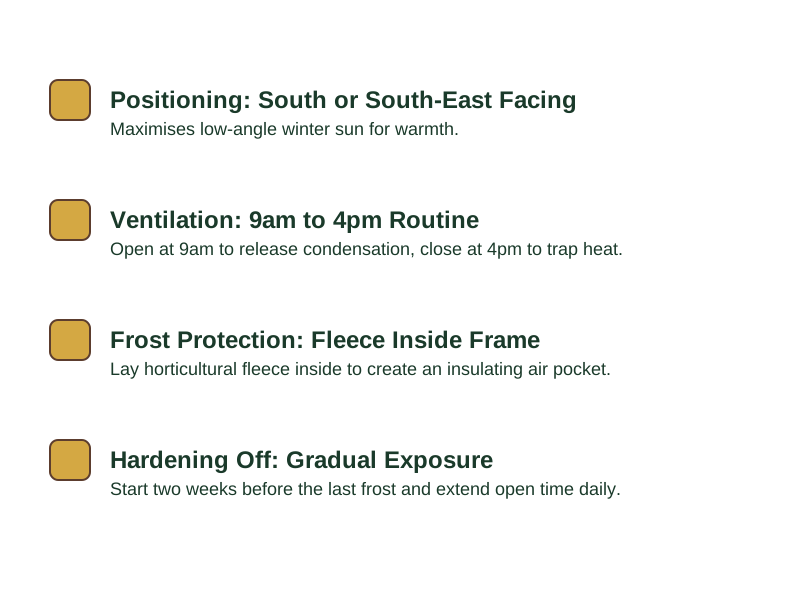
- Location, location, location – Aim for a south‑ or south‑east‑facing spot. In the UK that gives you the longest, strongest light during the low‑angle winter sun. If you’re on an allotment, a flat corner of the plot works best; on a patio, make sure the frame isn’t leaning against a north‑facing wall. A tilted frame loses heat fast – you’ll be fighting a losing battle.
- Level ground – A wobbly base means the lid won’t seal properly, and condensation will pool on one side. Use a short length of timber or a few concrete pavers to level it up.
- Soil prep – Fill the frame with fresh, sterile seed‑starting compost. The RHS stresses that sterile media is the first line of defence against damping‑off. Avoid re‑using old potting mix; any lingering fungal spores will have a field day in the humid micro‑climate of a closed frame.
- Ventilation check – Before you plant, open and close the lid a few times. Cheap wooden frames can warp after a wet winter, making the lid stick. If it feels like a “bodge job”, add a few small hinges or a simple strap to help it swing freely.
Before you plant checklist
- Frame faces south/east?
- Base is level and stable?
- Soil is fresh, sterile compost?
- Lid opens/closes smoothly?
If any of those answers are “no”, sort it now – it’s far easier than trying to fix a wilted seedling later. For more on picking the right frame, see our Best Cold Frames guide.
How Do I Ventilate a Cold Frame in the UK?
In the UK, the optimal ventilation schedule for a cold frame is to open it at 9 am to release overnight condensation, keep the lid open while temperatures stay above 10 °C, and close it at 4 pm to retain heat before the night‑time drop. This routine balances crucial airflow – preventing issues like damp-off – with essential temperature retention, which is vital for young seedlings facing our often unpredictable British weather.
The trick to a healthy cold frame is simple: let the air in when it’s warm enough, shut it out when the temperature starts to dip. In practice that translates to three set times for reliable protection.
- 9 am – open the lid. Morning sunshine dries the surface and releases the night’s condensation. Even on a cloudy day, a brief opening lets fresh air flush out any stagnant, humid air that encourages fungal growth.
- Mid‑day – keep it open if it’s above 10 °C. Use a cheap garden thermometer (around £5‑£10) to check. When the temperature climbs, the seedlings get the light they need without overheating.
- 4 pm – close the lid. This is the critical step that most gardeners overlook. As the sun sets, the frame’s glass or polycarbonate begins to lose heat fast. Closing the lid traps the residual warmth and protects seedlings from the night‑time chill that can sneak down to 2 °C in early spring.
Ventilation cheat sheet
- Windy day? Close the lid early – a gust can strip moisture from leaves in minutes and leave seedlings desiccated.
- Rain forecast? Keep the lid closed from 9 am to 4 pm, but lift it briefly after the rain stops to let excess moisture escape.
Most beginners learn this the hard way when a sudden easterly wind strips the moisture from their lettuce seedlings in ten minutes. The lid was still shut, and the leaves turned crispy overnight. A quick opening at 9 am would have saved that crop.
The “Frost Blanket” Hack for Late Frosts
When the forecast calls for a late frosty night, a simple fleece can be a lifesaver – and you don’t even need to drape it over the whole frame.
- Choose horticultural fleece (often sold as “garden fleece” or “row cover”). It’s lightweight, breathable, and cheap – roughly £8‑£12 for a 2 m × 2 m roll.
- Lay it inside the frame, not on top. Slip the fleece over the seedlings, making sure it doesn’t touch the leaves. This creates an insulating air pocket that keeps temperatures a few degrees higher without trapping moisture.
- Secure the edges with a few garden staples or a light weight (a brick works fine). The fleece should stay put even if a light breeze sneaks in.
The result? The fleece can protect seedlings down to about –3 °C to –5 °C. Last April most owners cover their tomatoes at 6 pm with fleece; the next morning the frame is a solid block of ice, yet the plants are unharmed. The key is inside the frame – a blanket on top would trap damp and invite rot.
Hardening Off: The Bridge to the Garden
Hardening off is often treated as a separate, awkward step. Most owners prefer to think of it as the final phase of the cold‑frame routine – a gentle transition rather than a sudden shock.
- Start two weeks before the expected last frost (mid‑May is typical for most of England, but check your local Met Office data for your specific area).
- Week 1 – Move the frame to a more sheltered spot, such as against a south‑facing wall or under a mature tree. Open the lid for 1 hour each morning, then close it for the rest of the day.
- Week 2 – Extend the open period gradually: 2 hours, then 4 hours, depending on how the seedlings respond. By the end of the second week the lid should be open for most of the daylight and closed only at night.
This gradual exposure is gentler than the classic windowsill hardening, because the frame still buffers temperature swings. The RHS defines hardening off as “a gradual exposure to outdoor conditions to strengthen seedlings before planting”.
Hardening off timeline
| Day | Position | Lid open time |
|---|---|---|
| 1‑3 | Sheltered spot | 1 hr |
| 4‑7 | Same spot | 2 hr |
| 8‑10 | Slightly more exposed | 3 hr |
| 11‑14 | Full exposure, close at night | 4‑6 hr |
If you rush this and plant straight into the garden, the seedlings will wilt or even die – Most beginners have seen a batch of basil turn brown in a single afternoon because the roots are shocked by a sudden temperature swing.
Troubleshooting: Common Failures
Even with the best routine, things can go wrong. Here’s a quick “what to do if…” guide for the three most common culprits.
- Damping off – brown, mushy stems at the base, often with a faint foul smell. Fix: Increase airflow by opening the lid more often, and repot any affected seedlings into fresh sterile compost. A thin layer of horticultural charcoal at the bottom of the tray can also help absorb excess moisture.
- Sun scorch – wilted, yellow‑tinged leaves after a sunny morning. Fix: Ensure you close the lid by 4 pm on bright days. If the frame is too close to a reflective wall, consider a shade cloth over the top (a light, breathable one).
- Leggy growth – tall, thin stems that look like they’re reaching for light. Fix: Move the frame to a sunnier spot or tilt it slightly to catch more sun. Leggy seedlings are a sign they’re not getting enough light, not that you’re over‑watering.
A reader from a northern Scottish allotment told me they’d been getting “spindly” kale seedlings. The culprit? Their frame was tucked under a north‑facing hedge, so the plants never got the full morning sun. A simple reposition saved the crop.