Running Costs of Greenhouse Heaters UK
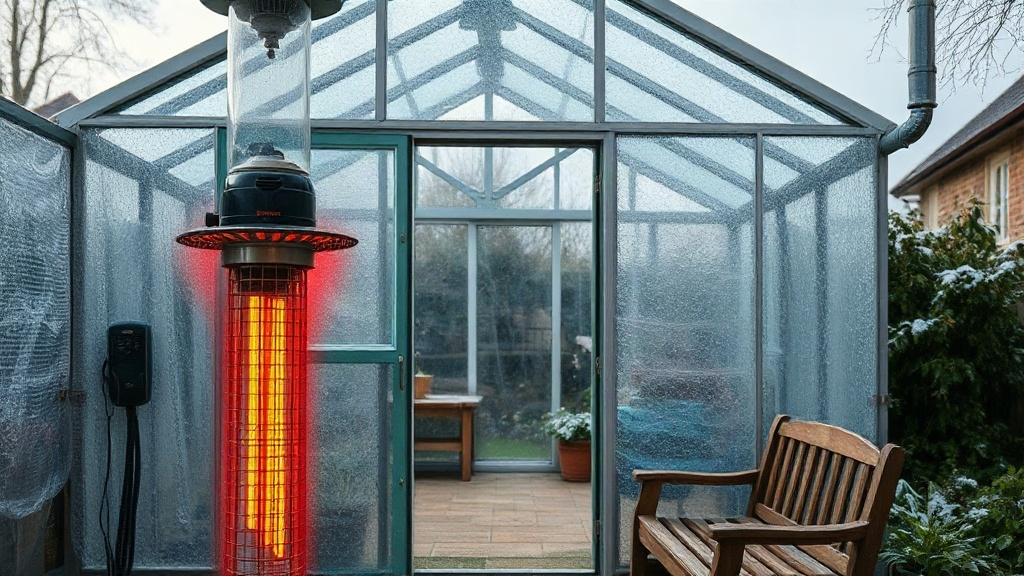
The cheapest viable greenhouse heater costs about 2.1 pence per hour to run at current UK electricity prices. Over a typical winter heating season, that adds up to roughly £10-15 per month for consistent frost protection.
Electric tubular heaters — the low-wattage kind designed for permanent installation — operate at a fraction of the cost of standard heaters. A 1 kilowatt fan heater consumes about twenty-five times more power. This difference separates affordable seasonal protection from a significant household expense.
Understanding the Basic Calculation
UK electricity unit rates under the 2026 Ofgem price cap are 26.32 pence per kilowatt-hour. This figure drives all running costs.
The formula is simple:
(Wattage ÷ 1,000) × Hours × £0.2632 = Cost
A 1 kilowatt heater uses one unit of electricity per hour, so multiply by your own unit price to see what a night costs. Run for a full night through a cold week, it adds up. While manageable occasionally, this compounds significantly over a full winter season.
Insulation dramatically reduces these figures. Some suppliers claim bubble wrap lining can cut heating requirements by 30-40 percent. A properly insulated greenhouse retains warmth more effectively, meaning heaters cycle on less frequently. Our insulation guide covers practical application, but the principle remains: better heat retention lowers energy demand.
Comparing Heater Running Costs
Different heater types vary considerably in both operation and expense.
Electric tubular heaters provide gentle, consistent warmth. An 80-watt model runs at approximately 2.1 pence per hour. For frost protection in a typical small greenhouse, this translates to minimal ongoing expense, making winter gardening economically viable.
Standard electric heaters (500W–2kW range) deliver more power but at higher cost. A 1 kilowatt unit running continuously is expensive over a day and far more over a week, making them expensive for regular overnight operation despite their precise temperature control.
Paraffin heaters typically cost around £1 per hour in fuel, placing them between the electric options. They work adequately in mild winters but may struggle during severe frosts. Manual refuelling requirements make them less convenient for extended unattended use.
| Heater Type | Approximate Hourly Cost | Weekly Cost (estimated use) |
|---|---|---|
| 80W tubular | 2.1p | £1–2 for frost protection |
| 1kW electric fan | ~26p | £14–19 for nightly use |
| Paraffin | ~£1 fuel | ~£7 |
Tubular heaters lead on sustained running costs, while standard electric models offer superior temperature precision. Paraffin provides a middle ground on expense but requires more hands-on management.
Selecting the Right Heater for Your Needs
Your choice depends primarily on what you’re growing and how frequently heating is needed.
Electric tubular heaters suit gardeners focused on frost protection without constant cost concern. At 2.1p hourly, they make nightly operation practical throughout winter. These units work as set-and-forget solutions, maintaining consistent background warmth rather than precise temperatures.
Standard electric heaters benefit plants requiring specific warmer conditions, such as citrus in containers or frost-sensitive perennials. Thermostat-controlled models maintain exact temperatures, but this precision comes with higher operating costs that accumulate quickly during cold spells.
Paraffin heaters work best in milder UK regions where hard frosts are uncommon. They offer reasonable running costs but require regular fuel checks and may not provide sufficient protection during severe cold snaps.
Regardless of heater type, inadequate insulation undermines cost-effectiveness. Address heat retention first to transform the economics.
Improving Efficiency Through Insulation and Monitoring
Minimising heater runtime is key to controlling costs. Every lost degree of heat requires paid replacement.
Bubble wrap insulation applied to roof, sides and doors significantly reduces heat loss. Suppliers often claim 30-40 percent reductions in heating requirements. Proper installation around door frames and roof ridges is crucial for effectiveness.
Monitoring tools provide essential data. A TFA Dostmann max-min thermometer (paid link) records the high and the low, which is what tells you whether the heater and the insulation actually worked. Place it at plant height rather than on a shelf.
Check TFA Dostmann max-min thermometer price → (paid link)
Frost alarms alert gardeners when temperatures drop to critical levels, allowing timely intervention during equipment failure or unexpected cold. This backup system can prevent plant losses.
Winter preparation steps:
- Apply bubble wrap insulation before temperatures drop significantly
- Seal door gaps with draught excluder tape
- Add floor insulation using mulch or fleece
- Position min-max thermometers at plant level
- Consider frost alarms for critical protection setups
Common Questions About Heating Costs
Which is cheaper: paraffin or electric heating?
Paraffin costs less per hour than standard 1kW electric heaters, but electric tubular models are more economical for sustained winter use due to minimal power consumption. Occasional heating needs may make paraffin or standard electric heaters more practical.
What does frost protection typically cost?
For a small insulated greenhouse with a tubular heater, expect a modest monthly cost. Uninsulated structures with powerful heaters can cost several times as much. Insulation quality dramatically influences overall costs.
Are thermostats necessary?
Essential for standard electric heaters to prevent unnecessary operation. Tubular heaters lack adjustable thermostats but their low wattage makes precise control less critical for basic frost protection.
Calculating Your Specific Costs
To determine exact expenses for your setup, use this formula: heater wattage × hours per night × electricity rate. Our greenhouse heater comparison guide provides wattage figures for different models to plug into this calculation.
The evidence strongly supports tubular heaters for regular winter operation, with running costs around £1-2 weekly for reliable frost protection. Standard electric heaters justify their higher expense when maintaining specific warmer conditions for sensitive plants.
Prioritise insulation before selecting any heater. Properly applied bubble wrap can reduce energy requirements significantly, making any heating system more economical.
For detailed model comparisons and specific wattage data, our comprehensive guide covers all options available to UK gardeners.
Related Guides
Best Greenhouse Heaters for Winter UK
References
Note: General guidance only, verify details with a qualified professional or official source.