5 Mistakes Killing Your Seedlings
As an Amazon Associate we earn from qualifying purchases. This page contains affiliate links — if you buy through them, we earn a small commission at no extra cost to you.
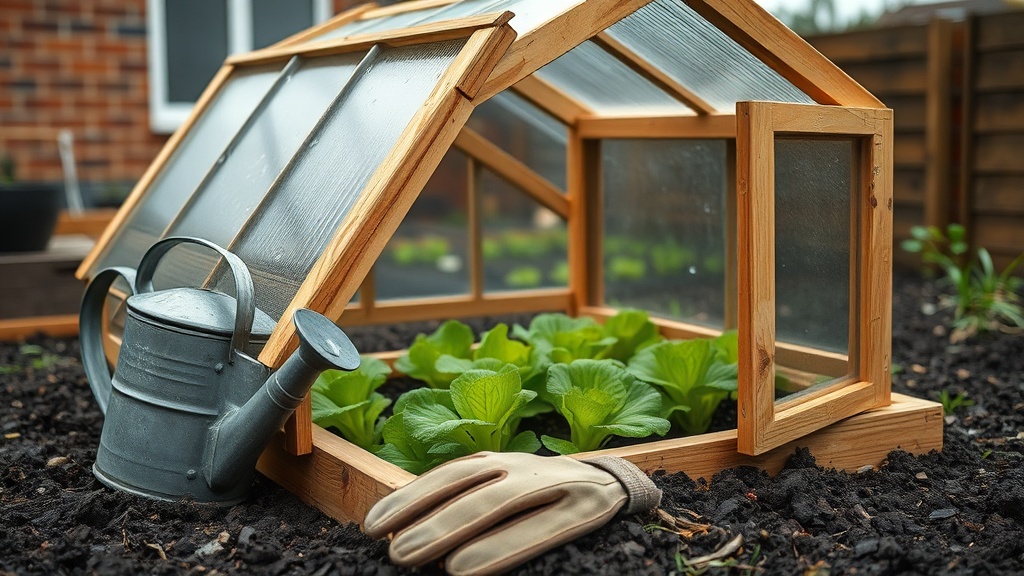
Mould on the inside of your cold frame glass and soggy, wilting seedlings are clear signs something has gone wrong with airflow or drainage. Cold frames aren’t ‘set-and-forget’ solutions; they’re semi-sealed ecosystems that need daily attention. Leave the lid shut on a warm day and you’ll cook the plants; forget to vent after rain and damping-off will take hold within days. Here are the five most common problems UK gardeners face – dampness, poor ventilation, pests, frost and wind damage, and seasonal mistakes – with practical fixes you can apply straight away.
Quick tip: A cold frame is only as good as its ability to regulate temperature and humidity.
(If you’re still hunting for the right frame, have a look at our best cold frames guide.)
Why is there condensation and damping off in my cold frame?
Condensation forms when warm, moist air from the soil hits the cold glass of the frame, creating a tiny water-droplet fog that settles on leaves and the inner pane. In the UK’s damp climate, this fog can quickly become a breeding ground for the fungus that causes damping-off, the dreaded disease that rots seedlings at their base.
Why it matters – According to the RHS, damping-off can wipe out up to half of a tray of seedlings if conditions stay humid for just a few days. It’s a proper killer for young plants.
The fix – ventilation timing
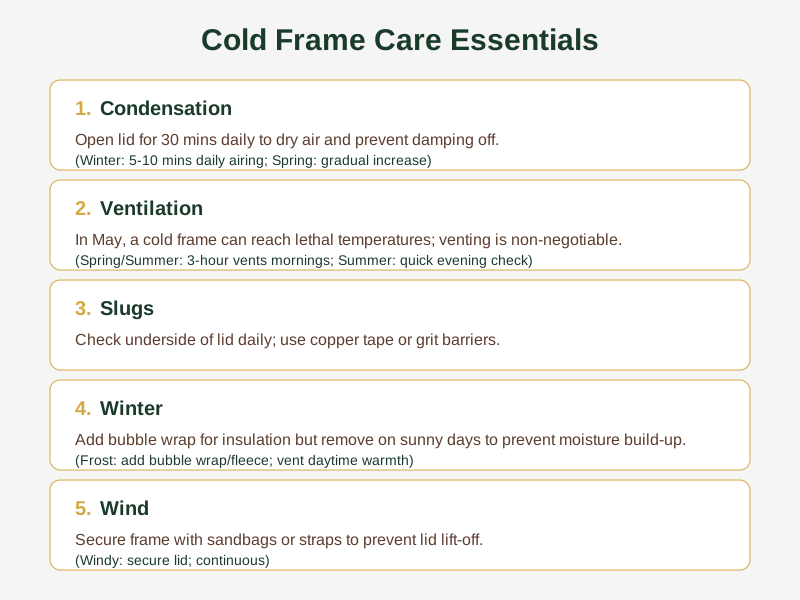
Open the lid as soon as you see beads of water on the glass. A 30-minute window each morning (or whenever the sun is shining) will dry the air and break the fungus’s life-cycle. Even a small gap can make a huge difference to airflow.
The fix – smarter bedding
Pure peat holds water like a sponge, making it prone to sogginess. Swap half of it for perlite or coarse grit; the improved drainage stops the soil staying waterlogged for too long. Most beginners learn this the hard way when a tray of lettuce turns into a mushy mess – a quick sift of grit into the mix saves the next sowing.
Budget note
The Christow Greenhouse Vegetables Polycarbonate UV-Stabilised (paid link) (around £120 – £150, approximate) is a solid starter, but its single-hinge lid can trap heat and moisture if you don’t vent it regularly. All figures are approximate estimates based on typical UK prices at time of writing. Always check current pricing directly.
When should I open my cold frame lid for ventilation?
You should open your cold frame lid for ventilation whenever temperatures inside threaten to overheat delicate seedlings, or when condensation is visible. A cold frame can swing from a cosy seedling heater to a scorching oven in minutes. On a bright May day, for instance, the temperature inside can climb 20 °C above ambient, enough to scorch delicate seedlings in minutes.
Seasonal rules of thumb
- Winter: Keep it closed most of the night, but pull the lid back for a short airing-out during the warmest part of the day. Even five or ten minutes will do the trick to refresh the air.
- Spring/Summer: Aim for three-hour vents each morning and a quick evening check. You might even leave it open longer on cloudy, mild days.
The “wind-chill” factor
Strong UK breezes can slam the lid shut or, worse, lift it and let rain pour in. Secure the frame with sandbags, ground-spikes or a simple strap-and-peg system. Most beginners once hear their cold frame’s lid bang against the garden wall in a gale; a few bricks and a sturdy strap sort it. It’s proper belt and braces stuff, but worth it.
How do I keep slugs, snails, and aphids out of my cold frame?
To keep slugs, snails, and aphids out of your cold frame, you need a combination of physical barriers and regular inspection, as the damp, sheltered environment is a perfect hide-out for them. They love the protection from rain and birds, allowing them to feast on your seedlings unchecked.
Why slugs love your frame
They crawl up the underside of the lid and slip inside, where they can feast on seedlings unchecked. Truth be told, they’re opportunists, and a cold frame offers a five-star dining experience.
Physical barrier method
- Copper tape: Wrap a thin strip around the base of the frame; slugs get a mild electric shock and turn back. You can find this in most garden centres.
- Raised base: If the frame sits on a solid, smooth surface (like a concrete slab), a simple 2 cm layer of sand or coarse grit makes it harder for slugs to gain purchase. For more tips on slug control, Garden Organic has some brilliant advice.
Managing aphids
A light spray of water mixed with a few drops of neem oil (or a mild soap solution) will keep aphids at bay without harming beneficial insects that might later wander in. Check your plants regularly, especially the undersides of leaves.
Budget note
The Palram Hybrid Lean Greenhouse Silver (paid link) (around £250 – £300, approximate) bolts to a wall so you can seal the ground around it more easily, but if you’re skint the Christow Greenhouse Vegetables Polycarbonate UV-Stabilised (paid link) works fine – just add a copper strip yourself. All figures are approximate estimates based on typical UK prices at time of writing. Always check current pricing directly.
How do I protect plants in my cold frame across the seasons?
Protecting plants in your cold frame across the seasons requires adapting your approach to tackle specific challenges like frost, strong winds, and heavy rain. A one-size-fits-all strategy simply won’t work in the varied UK climate. Each season throws a different set of challenges at your frame, and a general approach won’t do.
Winter – insulation without suffocation
Line the inside walls with a layer of bubble wrap (the kind with the small air pockets). It adds a few degrees of warmth, but remember to remove it on sunny days to avoid sealing in moisture. It’s a quick win for those really cold snaps.
Spring – hardening off
Gradually increase the time the lid stays open each day. Start with an hour, then add 30 minutes every few days. This acclimates seedlings to the outside temperature and reduces shock when they finally go into the ground. It’s an essential step for solid plants.
Summer – shade cloth
When the sun is blazing, drape a 40 % shade cloth over the frame. It cuts the temperature spike and prevents sunscorch on tender leaves. You can pick this up cheaply online or from most garden centres.
Wind – securing the frame
High winds can lift or even flip a lightweight polycarbonate frame. Use ground-spikes, sandbags, or simply wedge the frame into a sturdy garden fence. Most beginners once see their frame tip over on a windy March morning; a few bricks nailed to the base keep it upright. Don’t underestimate a proper blustery day!
Cold Frame Ventilation Schedule
| Season | Ventilation Strategy | Frequency |
|---|---|---|
| Winter | Short airing-out during warmest part of day | 5-10 mins daily |
| Spring/Summer | Three-hour vents each morning | Daily |
| Summer | Quick evening check | Daily |
| Summer | Leave open longer on cloudy, mild days | As needed |
| Winter | Keep closed most of the night | Continuous |
| Spring | Gradual increase in lid open time | Daily adjustment |
| Summer | Shade cloth application | As needed |
| Windy | Secure lid with straps or sandbags | Continuous |
| Frost | Add bubble wrap or fleece | As needed |
| Frost | Vent daytime warmth | As needed |
As an Amazon Associate we earn from qualifying purchases. The products linked above are ones we recommend based on independent research and owner feedback.