Using Bubble Wrap for Greenhouse Insulation
As an Amazon Associate we earn from qualifying purchases. Some links on this page are affiliate links, which means we may earn a small commission if you make a purchase.
Bubble wrap works because each sealed cell traps a pocket of still air, and that trapped air is the real insulator. The plastic film is just the container. This simple principle turns your greenhouse into a more effective buffer against the cold, slowing the escape of warmth that your plants depend on.
While an unheated greenhouse offers protection from light frosts, a hard freeze can still devastate tender plants. Bubble wrap insulation is a cost-effective way to push that survival threshold lower. The crucial detail is that horticultural-grade, UV-stabilised wrap performs a completely different job from the packaging material it resembles. Using the standard stuff can lead to brittle, discoloured panels and poor results.
One important consideration is light loss. Horticultural wrap typically reduces light transmission by about 10%. If you’re growing winter crops like lettuce that need all the light they can get, you might choose to insulate only certain sections rather than the entire structure.
How the Insulation Works in Practice
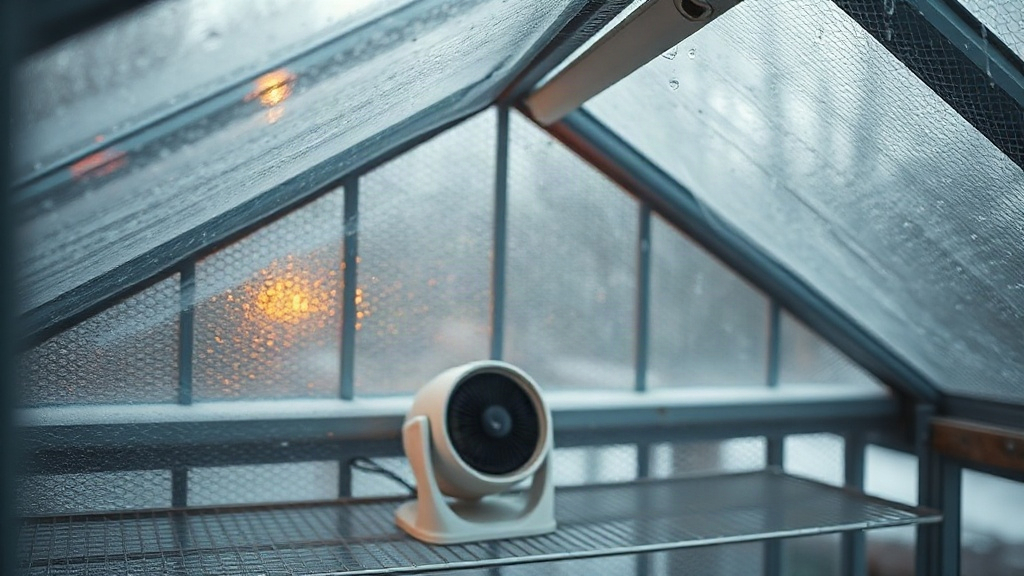
The trapped air inside the bubbles creates a layer of dead air, which is a poor conductor of heat. This barrier slows the rate at which warmth from inside the greenhouse escapes through the glass. The insulation doesn’t generate heat; it preserves the heat you already have, whether that’s from daytime sun or a small heater. In a severe freeze, bubble wrap alone won’t maintain tropical conditions, but it will significantly delay the temperature drop, giving plants extra hours of protection.
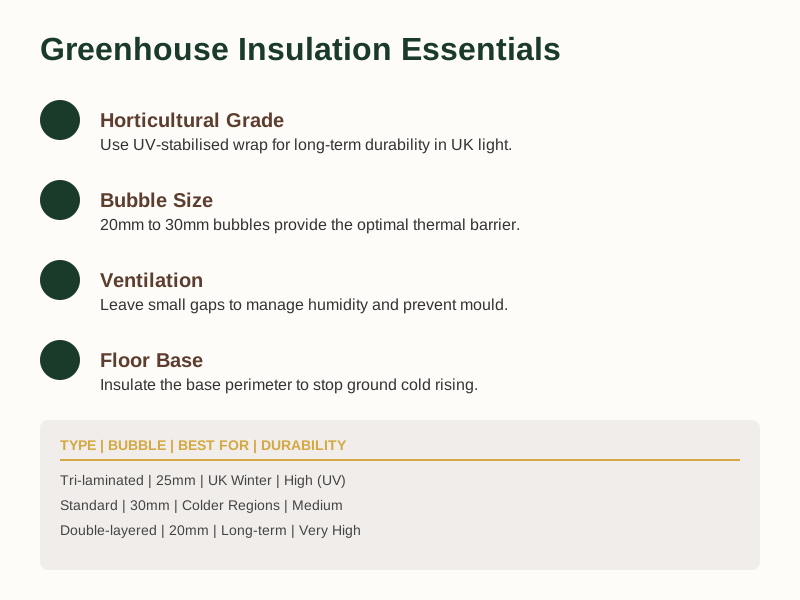
The main compromise is the reduction in light, which hardy overwintering plants like bay trees or dormant alpines tolerate well. However, it can hinder crops that need maximum winter light. Another common issue is humidity. Sealing the glass panels can trap moist air, encouraging fungal problems like botrytis. Maintaining good ventilation, perhaps by leaving a gap at the top of a panel or using a vented door, is essential to prevent this.
The Royal Horticultural Society covers the effectiveness of this approach in their guidance, and Hartley Botanic’s technical guide details the differences between horticultural and packaging-grade materials.
Selecting the Right Wrap for the Job
The most important factor is bubble size. For effective insulation, you need large bubbles that trap a significant volume of air. Look for horticultural-grade bubble wrap with larger bubbles, which is the type made for greenhouse use. Smaller packaging bubbles don’t provide meaningful insulation.
Tri-laminated bubble wrap offers a good balance for most UK growers, providing decent insulation without excessive light loss. Its laminated construction also improves durability. For a colder, more exposed garden, the larger horticultural bubble sold on Amazon UK is 25mm, not a 30mm roll. Elixir Gardens 1.5m x 10m triple-laminated 25mm bubble wrap with 90 fixing clips (paid link) is that sheet. A 20mm double-layered wrap is often suggested for a semi-permanent job; that is a different build from either roll below.
Check Elixir Gardens 25mm bubble wrap price → (paid link)
A firm rule is to avoid standard packaging bubble wrap. It isn’t UV-stabilised, so sunlight will cause it to degrade quickly, potentially releasing chemicals that could harm plants. The RHS specifically recommends using UV-stabilised bubble plastic for insulating greenhouses and cold frames.
Elixir Gardens 1.5m x 10m triple-laminated 10mm bubble insulation (paid link) is a viable option. Remember that large sheets can be tricky to handle, so accurate measuring is key to minimising waste.
View Elixir Gardens 1.5m x 10m triple-laminated 10mm bubble insulation on Amazon → (paid link)
A Practical Fitting Guide
A careful installation ensures the wrap stays secure and performs as intended. Start by thoroughly cleaning the glass to maximise light penetration and help the wrap adhere better.
Using purpose-made clips is far superior to tape. Greenhouse twist clips (100 pack) (paid link) fit into the channels of aluminium frames, holding the wrap firmly without leaving a sticky residue. Check that the clip design is compatible with your greenhouse’s frame profile.
View Greenhouse twist clips (100 pack) on Amazon → (paid link)
Work methodically from the roof down, securing each panel before moving to the next and allowing for slight overlaps. Crucially, do not block ventilation. Ensure a louvre vent or a gap at the top of a panel remains open to allow air circulation and prevent humidity build-up.
A frequently overlooked area is the floor. Cold radiates upwards through pots, so insulating the ground with a layer of damp-proof membrane or leftover wrap can make a noticeable difference to plants at soil level.
The Benefits of Effective Insulation
When fitted correctly, bubble wrap can meaningfully extend the productive season for many plants, allowing for earlier spring sowing and later autumn harvesting. It also improves the efficiency of any heating you use, reducing running costs by making the heat you generate last longer.
Even without supplementary heat, the insulation alone provides enough protection for many overwintering plants like ferns and hardy perennials. Adding a thermostat-controlled heater for the coldest nights then makes it possible to keep more tender species safe.
Bubble wrap that is properly installed reduces draughts and heating costs compared with an uninsulated structure. The key is a tight fit without compromising on ventilation; gaps and loose edges will let cold air in and undermine the insulating effect.
Our guide to overwintering has more information on what you can grow in an insulated greenhouse through the colder months.
Common Questions Answered
Can I use bubble wrap on a polytunnel?
Yes, the same principles apply. Use UV-stabilised horticultural wrap and pay attention to ventilation to avoid excessive humidity inside the tunnel.
Does bubble wrap stop condensation?
It can help by raising the temperature of the inner surface, which reduces the formation of condensation. However, it won’t eliminate it completely, and moisture can still be trapped between the wrap and the glass. Good airflow is still necessary.
How long does horticultural bubble wrap last?
A good quality UV-stabilised product can last for multiple seasons if installed and removed carefully. Non-treated wrap deteriorates much more quickly, often in just one season, which justifies the higher initial cost of the horticultural grade.
Is it worth using bubble wrap in a small cold frame?
Definitely. The RHS recommends bubble plastic for insulating cold frames. Even a single layer can significantly improve the frost protection for overwintering plants without any need for heating.
Your First Action This Weekend
The most effective step you can take right now is to measure your greenhouse glazing panels. Knowing the exact dimensions is the first move towards ordering the correct amount of wrap and planning a successful installation. This single task slots directly into the broader process outlined in our parent guide, How to Insulate a Greenhouse for Winter UK , which covers the full sequence of winter-proofing your greenhouse.
Measure each pane before you buy the roll. A second trip for clips is the usual miss, not the wrap itself.
Related Guides
Sources & Further Reading
As an Amazon Associate we earn from qualifying purchases. The products linked above are ones we think are worth a look.
Note: General guidance only, verify details with a qualified professional or official source.