Using Fleece and Frost Covers Effectively
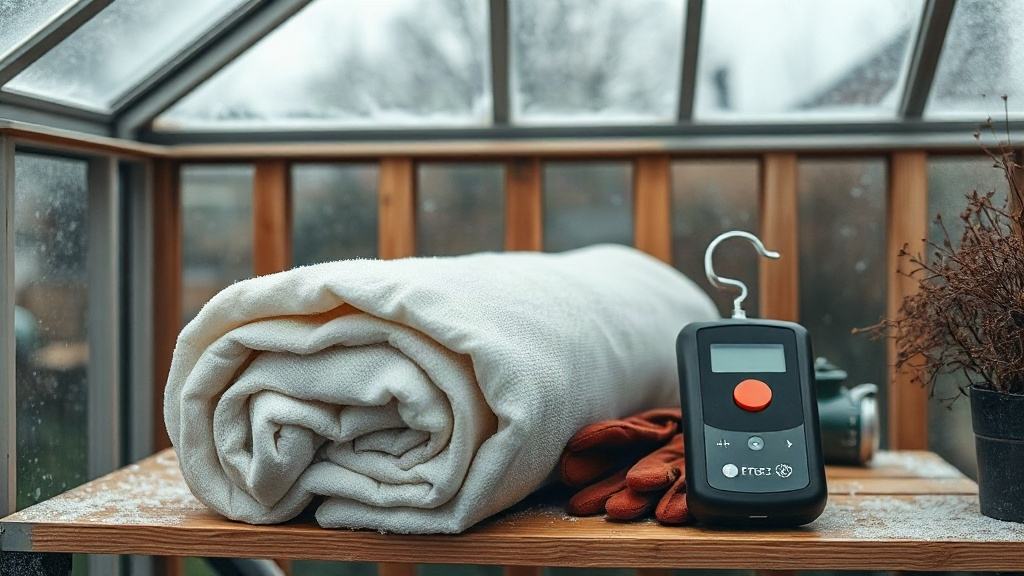
Horticultural fleece succeeds or fails on three practical details: timing, fixing, and maintaining a protective air gap between fabric and leaves. This article takes each in turn, starting with the weight choice that determines your baseline protection.
Here is the honest answer: the difference comes down to weight, and weight determines what each fleece is actually designed to do. Get that right, and you’ll stop wasting money on the wrong grade. Get the usage right as well, and you’ll be the person whose plants survived the -4°C night that wiped out everyone else’s.
How Fleece Protects Plants
Horticultural fleece is a non-woven polypropylene fabric. It is not a heater. It does not generate warmth. What it does is trap a layer of still air between the fabric and your plant, and that still air acts as an insulator—much like the principle behind a loft blanket or a double-glazed pane.
The RHS notes that fleece allows water, light, and air to pass through it while providing a protective layer against cold and pests. That permeability is the key difference between fleece and plastic sheeting: plastic traps moisture and heat in a way that can cook plants on a sunny winter’s day, whereas fleece breathes. Think of it as a warm duvet for your plants, not a plastic bag.
For spring sowing, this works in your favour in a second way. Fleece retains some of the daytime warmth around your plants overnight, which can genuinely accelerate early growth—commercial growers use it specifically for this reason, getting crops to market earlier by weeks rather than days. A gardener protecting early peas or salad leaves under fleece will typically see noticeably faster development than the same sowings left exposed.
There is a catch, though. Fleece cannot defy physics. If the air temperature drops far enough for long enough, even 35gsm fleece will only slow the cooling inside the covered space—it will not keep a greenhouse at 10°C through a hard November freeze. Understanding this limit is what separates confident use from wasted money.
Choosing the Right Fleece Weight
This is the decision that matters most, so let’s be direct about it.
Fleece weight is measured in grams per square metre (gsm). According to RHS guidance and UK retail listings, the two grades most commonly available are 18gsm lightweight and 35gsm heavy-duty. Some suppliers also offer a 30g intermediate grade, with lighter 17gsm options at the budget end.
Here is how they break down:
18gsm (lightweight): This is the workhorse grade. It offers the best light transmission of any fleece weight, which matters for seedlings that need every photon they can get. It provides meaningful protection against light frosts—typically offering a few degrees of protection in still conditions. For spring sowing, routine propagation, and protecting autumn-sown salad through October and early November, it is entirely sufficient. Most garden centres stock it in various roll sizes.
35gsm (heavy-duty): The RHS states that heavier grades provide about 2°C more frost protection than lightweight fleece. It is the safer choice when you are overwintering genuinely tender plants—pelargoniums, fuchsias, bay trees in pots, or anything borderline hardy that a hard winter might finish off. It is thicker, more durable across multiple seasons, and copes better with wind. The trade-off is reduced light transmission, which matters for actively growing plants but is less critical for dormant or semi-dormant stock being kept alive through winter.
30g fleece: A few UK suppliers market this as a heavy-duty option claiming protection down to -5°C. The evidence for that specific threshold comes from commercial claims rather than independent verification, and RHS guidance does not quantify temperature protection by grade in those terms. That said, the logic is sound—a heavier grade will offer better insulation than 18gsm. Whether the 30g is worth the premium over 35gsm depends on what you are growing and how much you trust the supplier’s claim.
The practical decision matrix looks like this:
For routine use—spring sowings, extending the season by a few weeks, light autumn frosts—18gsm is the right call. It is cheaper, easier to handle, and lets in more light.
For critical winter survival—tender perennials, prize specimens you cannot replace, plants at the edge of their hardiness—35gsm is worth the extra investment. The improved protection is meaningful.
If you already have old fleece of either weight and it is still intact, it should retain its insulation properties. The environmental case for replacing functional fleece simply because it is a season old is weak.
Applying Fleece Correctly
Picking the right grade is half the job. The other half is how you put it on, and the common mistakes are predictable enough that they are worth naming directly.
Don’t pull it tight. This is the error that appears in forum troubleshooting threads more than any other. Tight fleece sits directly against plant tissue, trapping cold moisture and potentially causing damage. It also leaves no air gap, which is the whole point of using fleece in the first place. Drape it loosely over plants or around pots, leaving enough room for air to circulate freely.
Cover before the frost, not during it. Once frost has formed on plant tissue, applying fleece locks that cold in. The RHS recommends applying protection at the first forecast warning of frost, not when you wake up to ice on the car. It is a simple habit to develop: check the forecast the evening before, and act on it.
Remove it during the day when conditions allow. Fleece reduces light penetration, and on mild or sunny days it can cause temperatures under the cover to rise higher than is ideal for some plants. The common question—“when do I take it off?"—has a straightforward answer: whenever the frost risk has passed and daytime temperatures are consistently above freezing. Remove it in the morning and replace it in the evening during periods of frost risk.
Secure it properly. Fleece that blows away in a November wind is doing nothing for your plants. Weigh down edges with stones, use ground pegs, or—for greenhouse use—fix it to the framework with clips. Twist clips designed for aluminium greenhouses work well for lightweight fleece, while wooden structures may require battens or other securing methods.
Consider layering for extreme cold. If a forecast is predicting a sustained cold spell significantly beyond your fleece’s rated protection, adding a second layer of fleece over the first can provide an additional insulating boost. It is not the same as having a heavier grade—two layers of 18gsm still let in more light than one layer of 35gsm—but it is a useful tactic when conditions are exceptional.
For greenhouse-grown plants in containers, pre-shaped fleece jackets are easier than cutting a roll. The Haxnicks 4 small Easy Fleece Jackets (paid link) is a pack of four small jackets, for pots and tender shrubs, not a roll of 35gsm fleece. They are a light-to-moderate frost layer, not the whole winter plan.
Check Haxnicks 4 small Easy Fleece Jackets price → (paid link)
Eco Considerations and Reuse
If the plastic composition of standard horticultural fleece bothers you, plant-based and wool alternatives are available. They function on the same principle of trapping still air.
The honest caveat is this: the performance data for eco-friendly fleeces is less established than for polypropylene. The RHS and commercial growers have decades of evidence behind standard fleece grades. Wool and plant-based alternatives are newer and less tested in equivalent conditions. If you are protecting a borderline-hardy specimen where failure is costly, you would be wise to stick with the known performance of 35gsm polypropylene until the evidence base for eco alternatives catches up.
For lower-stakes situations—covering salad leaves, protecting autumn sowings of hardy annuals—the eco options are a reasonable choice. And if you already have old plastic fleece that is still intact, the environmental argument for replacing it is weak. Use it until it wears out, then make the switch if it matters to you.
When the time does come to dispose of worn fleece, standard polypropylene is not widely recycled through kerbside schemes. Check local council guidelines for disposal options.
Common Questions Answered
Can I use plastic sheeting instead of fleece?
No—not if you want your plants to survive. Plastic sheeting blocks light and traps moisture, which creates condensation and can suffocate or cook plants depending on conditions. Fleece allows water, light, and air to pass through while providing insulation. They work on completely different principles.
How do I know when to take the fleece off?
Take it off when the frost risk has passed and daytime temperatures are consistently above freezing—typically from late April onwards in most of the UK, though this varies by region and elevation. Until then, remove it during the day when conditions allow and replace it in the evening.
Does fleece protect against wind?
It provides some wind protection and can help reduce wind chill, but it is not a substitute for a proper windbreak structure. In exposed gardens or strong winds, additional protection such as polytunnel film or strategic positioning may be needed.
Fleece Weight Comparison
| Weight (gsm) | Frost Protection | Best For | Light Transmission |
|---|---|---|---|
| 18gsm | Light frost protection | Spring sowings, routine propagation, autumn salads | High |
| 30g | Intermediate protection (supplier claims ~-5°C) | Heavy-duty winter protection | Moderate |
| 35gsm | Improved frost protection (~2°C more than lightweight) | Overwintering tender plants, dormant stock | Lower |
| 17gsm | Very light frost protection | Budget options, light cover | Very High |
When Fleece Isn’t Enough
Fleece works by trapping still air, but it has clear limits. If you’re facing sustained hard frost below -5°C, or if your greenhouse is in an exposed location with strong winds, fleece alone may not provide sufficient protection. In these situations, consider our broader guide to frost protection for more robust solutions.
The decision between 18gsm and 35gsm fleece is not complicated once you understand what each grade is designed for. For spring sowings, light frosts, and routine season extension, 18gsm is the practical, cost-effective choice. For protecting tender plants through a proper British winter, 35gsm is worth the modest extra investment.
The weight you choose matters. But so does the way you use it—loose, breathable, applied before the frost rather than during it, and removed during the day when conditions allow.
Put the fleece on the evening the forecast first mentions frost, not the morning you find ice on the car.
Related Guides
For a complete overview, see our How to Protect Greenhouse Plants from Frost .
Sources & Further Reading
Note: General guidance only, verify details with a qualified professional or official source.