How Warm Does an Unheated Greenhouse Stay at Night
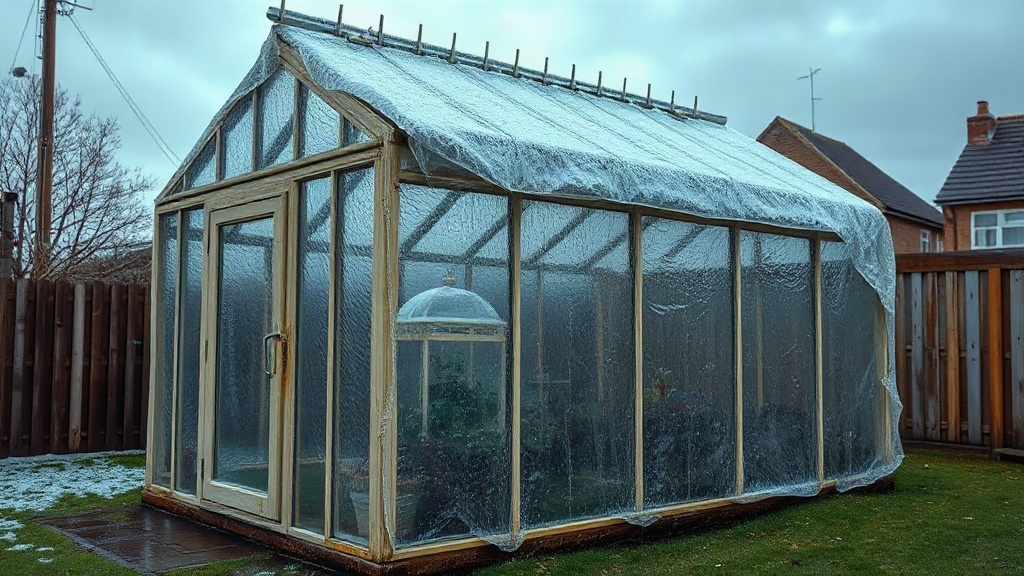
On a night when the outside air temperature is 0°C, a standard unheated UK greenhouse will typically read between 2–5°C inside. This buffer is precise but fragile—it expands with good insulation and shrinks dramatically on windy nights, a reality that determines exactly which plants will survive until spring.
As an Amazon Associate we earn from qualifying purchases. Some links on this page are affiliate links, which means we may earn a small commission if you make a purchase.
Your greenhouse feels snug when the sun is hitting it. The glass traps the warmth and the air inside is noticeably warmer than the garden, but that heat is borrowed. An unheated greenhouse does not store warmth the way a house does. It insulates. There is a difference, and it is the difference between a greenhouse that works for you through winter and one that loses every hard-earned degree the moment the sun drops.
That 2–5°C buffer sounds decent until you remember what most people actually want to grow in it—and that is where the gap opens up.
What the Temperature Buffer Actually Means
Greenhouse Stores, a UK supplier that publishes measured data, states an unheated greenhouse typically sits 2–5°C warmer than outside temperatures on cold nights. This range forms the basis of their winter growing guidance.
On a clear winter day, a sunny greenhouse can run 15–20°C above outside air. You walk in at noon and it feels genuinely warm. That warmth is real, but it radiates back out again at night. The structure slows that loss down, but it cannot stop it.
Wind is the factor that surprises people most. A greenhouse on an exposed allotment site loses heat significantly faster than one tucked against a fence or wall. Cloud cover works the other way—an overcast night traps more warmth than a clear, starry one. UK weather being what it is, both scenarios are equally likely in any given week, which means the 2–5°C figure is a guide, not a guarantee.
The practical upshot: your unheated greenhouse will almost certainly be colder than you expect by 6am on a clear, still January night. The error that fills forum threads is people assuming the temperature they measured at 9pm is the one their plants experienced all night. It is not. The coldest point is usually just before dawn.
Matching Plants to Your Greenhouse Conditions
This is where the 2–5°C buffer either works for you or fails you spectacularly, depending on what you are growing.
Tomatoes and chillies need a minimum of around 10–12°C to grow without stress. Below that, growth slows, fruit can be damaged, and the plant becomes vulnerable to problems. According to Greenhouse Stores’ guidance, tomato plants stop growing below 5°C and die at 0C.
Seedlings and young plants are even more demanding. Chilliranch, a specialist UK chilli nursery, states seedlings and small plants need a minimum of 15°C—comfortably above what an unheated greenhouse will typically deliver on a cold night. If you are starting tomatoes, peppers, or tender herbs from seed in late winter, they belong indoors. Moving them into an unheated greenhouse “to harden off” before the nights are consistently above 10°C is where a lot of seasons unravel.
Hardy greens are a different story entirely. Kale, spinach, chard, winter lettuces, broad beans—these plants genuinely thrive in the 4–8°C range. An unheated greenhouse won’t grow them faster than outdoors in summer, but it will keep them alive and harvestable through frosts that would finish them in the open garden.
Safe in an unheated greenhouse through winter: Kale, spinach, chard, pak choi, winter lettuces, claytonia, corn salad, broad beans, hardier herbs like rosemary and thyme
Needs a heated space or indoors: Tomatoes, chillies, peppers, aubergines, cucumbers, basil, any seedlings or young plants
For winter salad leaves and overwintering roots, an unheated greenhouse is genuinely useful, typically extending the growing season by several weeks compared to outdoor planting.
Practical Ways to Improve Your Buffer
You cannot change physics, but you can slow heat loss. Insulation and thermal mass make the most difference.
Horticultural bubble wrap is a common approach. The small pockets of air create dead air space against the glass, cutting radiative and conductive heat loss. Elixir Gardens 1.5m x 10m triple-laminated 10mm bubble insulation (paid link) is one product designed for greenhouse use. Proper installation matters—twist clips designed for aluminium greenhouse frames can make fitting easier.
See Elixir Gardens 1.5m x 10m triple-laminated 10mm bubble insulation on Amazon → (paid link)
A min-max thermometer is crucial. You cannot manage what you do not measure, and the difference between knowing your greenhouse dropped to 2°C versus knowing it dropped to -1°C changes everything about how you respond. The TFA Dostmann max-min thermometer (paid link) is a simple, reliable option worth considering.
Check TFA Dostmann max-min thermometer price → (paid link)
Water barrels can help stabilise temperatures. A 200-litre barrel filled with water absorbs heat during the day and releases it slowly at night. It won’t heat your greenhouse, but it smooths out the temperature swings and can add a degree or two to the minimum. The more barrels, the more stable the environment—though space in a small greenhouse is usually the limiting factor.
For anything more demanding than hardy greens, a frost alarm can be worth the investment. These devices alert you when the temperature drops below a set threshold. A thermostat controller such as the Inkbird ITC-308 temperature controller (paid link) can switch a heater on and off at a set temperature, which is useful if you already run one.
Buy Inkbird ITC-308 temperature controller on Amazon → (paid link)
Bubble wrap, a decent thermometer, and possibly some water barrels—that is the combination that helps you use that 2–5°C buffer effectively.
Deciding When Heating Becomes Necessary
Whether you need to heat your greenhouse depends almost entirely on what you are growing.
If you are growing tomatoes, chillies, or any tender crop through winter, heating is essential. These plants originate from warm climates and cannot tolerate sustained cold. A purpose-built heater that maintains a set minimum temperature may be necessary for a well-insulated space.
If you are growing hardy greens and overwintering perennials, heating is probably unnecessary. You would be paying for warmth your plants do not need. The cost of running an electric greenhouse heater through a UK winter adds up quickly.
The simple decision: if you are growing tender crops, budget for insulation plus a heater. If you are growing hardy greens and just trying to extend the season, insulate well and let the structure work naturally.
Running costs for electric greenhouse heaters depend on your tariff and usage. Paraffin heaters are cheaper to run but require ventilation management. Solar options exist but may not provide reliable winter heating in the UK due to low solar input in January.
Common Questions About Greenhouse Temperatures
Can I leave my greenhouse door open at night?
No. The door is how your greenhouse loses most of its heat on a still night. Keeping it open eliminates the temperature buffer entirely. Close the door properly and treat a draughty door as a problem to fix before winter.
Will wind make my greenhouse colder?
Yes, significantly. Wind strips heat away from the exterior surfaces faster than still air does. On a windy winter night, your temperature buffer can shrink noticeably. This is why sheltered greenhouses perform better in cold weather than exposed ones.
Is a plastic greenhouse warmer than a glass one?
Not necessarily. Plastic glazing has slightly better insulation properties than single glass, but the difference is small compared to what insulation inside does. A glass greenhouse with good insulation will outperform an uninsulated polycarbonate greenhouse.
What’s the absolute minimum temperature for a greenhouse?
It depends on what you are growing. For hardy plants like kale, around 0°C is acceptable. For most common greenhouse crops, 5°C is a reasonable minimum without active heating. Consistently below that, and tender plants will be damaged.
Unheated Greenhouse Temperature Guide
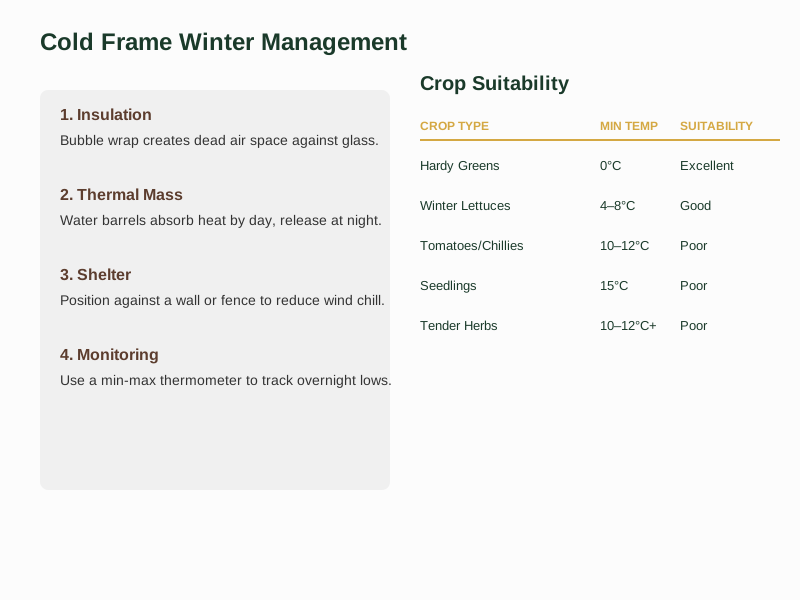
| Crop Type | Minimum Temperature | Winter Suitability |
|---|---|---|
| Hardy Greens (Kale, Spinach) | 0°C | Excellent |
| Winter Lettuces & Roots | 4–8°C | Good |
| Tomatoes & Chillies | 10–12°C | Poor (Needs Heat) |
| Seedlings & Young Plants | 15°C | Poor (Needs Heat) |
| Tender Herbs (Basil) | 10–12°C+ | Poor (Needs Heat) |
Putting the Temperature Buffer to Work
That 2–5°C buffer means your unheated greenhouse can protect hardy greens through winter but won’t keep tender plants alive without help. Whether this is enough depends entirely on what you’re trying to overwinter. For specific plant hardiness ratings and detailed overwintering strategies, our overwintering guide shows how to match your plants to your actual greenhouse conditions.
Get a min-max thermometer, insulate properly, and match your crops to the conditions you actually have. How to protect greenhouse plants from frost is the decision those overnight numbers are for.
Sources & Further Reading
As an Amazon Associate we earn from qualifying purchases. The products linked above are ones we think are worth a look.
Note: General guidance only, verify details with a qualified professional or official source.