How to Grow All Year in a Cold Frame
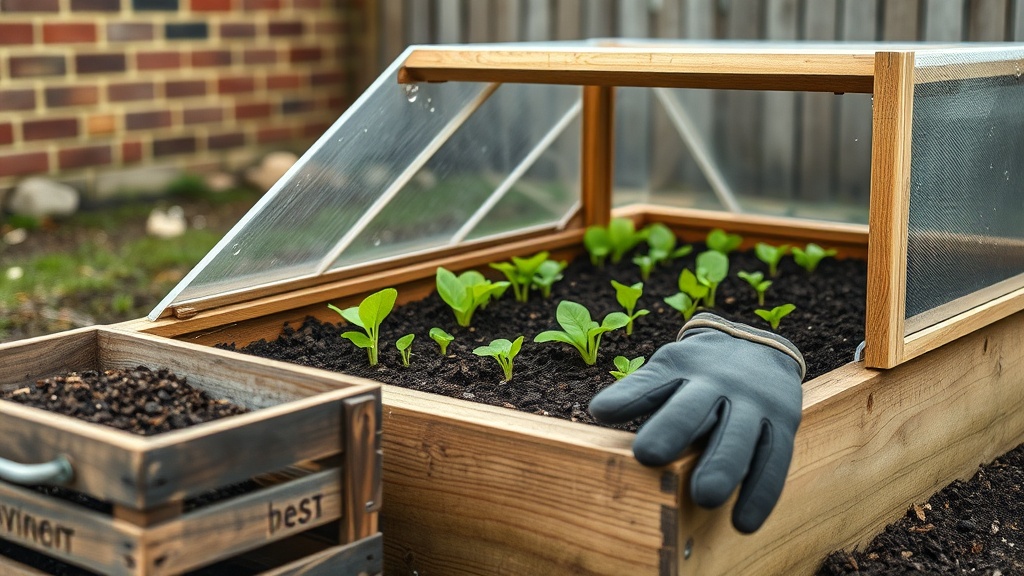
A cold frame left empty for half the year is a wasted opportunity. Used properly, it delivers fresh harvests through every month – not by turning it into a greenhouse, but by treating it as a protective coat that extends what the British weather will allow. The key is knowing what to sow when, and how to manage the lid through frost, heatwaves, and the damp UK shoulder seasons. This calendar covers each month from January through December: the crops that thrive, the ventilation tricks that prevent damping-off, and the insulation hacks that keep soil workable even when the thermometer drops below zero.
Quick note: If you want a printable version of this calendar plus a daily checklist, Download the Free Checklist now – it’s the easiest way to keep the plan on track.
January: The Winter Wardrobe
January is all about keeping the soil warm enough for hardy seeds to germinate. The cold frame isn’t a heater; it’s a blanket. Wrap the base with bubble-wrap or a layer of straw, then cover the lid with an extra sheet of clear plastic if a hard frost is forecast. Open the lid on any sunny spell – even a weak March sun will raise the internal temperature a few degrees and stop the soil from turning into a solid block.
What to sow:
- Broad beans (early varieties like ‘Aquadulce’) – they can push through a light frost.
- Spinach – sow in a shallow trench, cover lightly with compost.
- Hardy salads such as land cress and mizuna – they tolerate 0 °C soil and will sprout slowly.
Maintenance tip: Place a small thermometer in the centre of the frame. If the reading stays above 2 °C for a few days, the seeds are ready to start germinating.
Learned the hard way: Most beginners once leave the lid shut during a January thaw and the soil stays soggy; the seedlings drown before they even emerge. A quick vent saved the crop.
Quick Start Box – Before you plant, grab the free checklist and jot down the dates you’ll open the lid each sunny day. It does the trick and keeps you from forgetting when the weather finally clears.
February: The February Winds & Early Starts
February brings longer daylight but also those notorious gusts that dry out soil faster than a summer drought. Ventilation becomes the most important task – the sun can melt snow on the lid, creating a greenhouse effect, while the wind strips heat away at night.
What to sow:
- Continue spinach and hardy lettuce.
- Radishes – they’re quick, so you’ll see a harvest by March.
- Spring onions – sow thinly; they’ll be ready for early salads.
Ventilation: Prop the lid open a few centimetres on the sunny side each morning. Close it just before nightfall to trap residual warmth. A simple piece of scrap wood as a prop works wonders and costs next to nothing.
Pitfall: Neglecting airflow invites damping-off. The damp, stagnant air in a closed frame is a perfect breeding ground for the fungus that kills seedlings. Open the lid daily, even if it’s cloudy.
Good airflow, as any gardener worth their salt will tell you, drastically reduces the risk of damping-off in cold frames. It’s a belt and braces approach that saves your seedlings.
March: The Hardening Off Phase
By March the days are noticeably longer and the risk of a hard frost drops, but the soil can still be chilly. This is the month to move seedlings from indoor trays into the cold frame for hardening off – a gentle “training” that builds resilience before you plant them out.
What to do:
- Transfer indoor-grown tomatoes, peppers or basil into the frame for a week.
- Direct-sow carrots, parsnips and beetroot straight into the warmed soil.
Hardening-off checklist:
- Day 1: Keep the lid on, but open it for 30 minutes at midday.
- Day 2: Increase open time to 1 hour.
- Day 3-4: Open fully for 2 hours each day.
- Day 5-7: Leave the lid off on sunny days, close only at night.
Pests: Slugs love the moist, tender growth. Lay down a few copper strips around the frame’s base – they give the pests a mild electric shock and keep them at bay.
Link: For a deeper dive on slug control, see our guide on How to Protect Plants from Slugs.
April: The Heatwave Warning
April can feel like a summer heatwave in a cold frame – the glass traps solar radiation and temperatures can spike past 25 °C in a matter of minutes. That’s great for tomatoes, but disastrous for seedlings that haven’t hardened off.
What to sow:
- Tender crops – cucumbers, tomatoes, peppers. Start them in seed trays inside the frame, but be ready to move them out if it gets too hot.
Ventilation is non-negotiable: Open the lid fully on any day the thermometer hits 20 °C. If it climbs higher, prop the lid open and mist the soil lightly to keep the roots cool.
Lesson learned: Most beginners once leave a batch of pepper seedlings under a closed lid on a bright April morning; the temperature hits 28 °C and the seedlings wilt within hours. A quick vent saved the next batch, though.
We’ve certainly seen UK April heatwaves become more frequent lately, with temperatures often climbing higher than they used to. This makes vigilant cold frame management even more crucial.
May: The Harvest & Sowing Mix
May is a busy month – you’re harvesting early greens while sowing the next round of summer crops. The frame’s lid can often be removed entirely on warm days, turning the structure into a sheltered potting bench.
Harvest:
- Lettuce, radishes, early spinach – cut what you need, leave the rest to keep producing.
Sow:
- Courgettes, runner beans, and a second sowing of tomatoes for a staggered harvest.
Maintenance: Keep the soil moist but not water-logged; the frame will retain moisture longer now that the lid is off. Thin carrots and parsnips to 5 cm spacing to avoid crowding.
Link: Need tips on harvesting lettuce? Check out How to Harvest Lettuce.
June: The Full Swing
June’s long days mean the cold frame is now a secondary growing space, perfect for protecting late-season sowings from unexpected frosts.
What to sow:
- Winter kale, cabbage, and a final sowing of spinach for a late-autumn harvest.
Other uses:
- Store pots and trays that need protection from the occasional June night frost.
- Use the frame as a sheltered area for hardening off seedlings that have outgrown their indoor trays.
Tip: Line the base with a layer of straw; it acts as insulation for any surprise cold snap and also helps with drainage.
July: The Summer Slump
July is the quietest month for a cold frame in the UK. The lack of intense sunlight and the high ambient temperature mean the frame offers little advantage for most veg.
What to do:
- Keep the frame clean and free of debris that could harbour pests.
- Use it as a potting bench or store tools, seed trays, and small pots.
If you have a sunny south-facing spot: You can still grow heat-loving herbs like basil for a few weeks, but watch the temperature closely.
August: The Autumn Sowing
As the evenings start to cool, the frame becomes valuable again. Begin sowing crops that will mature in the colder months.
What to sow:
- Land cress, lamb’s lettuce, and other winter salads.
- Garlic cloves – plant them 2 cm deep; they’ll be ready the following summer.
- Onion sets – they’ll establish before the first frosts.
Insulation: Start adding a layer of straw around the base now, so the frame is ready for September’s first frosts.
September: The Frost Watch
September brings the first real threat of frost. The frame’s role shifts to a protective blanket for both new sowings and existing plants.
What to do:
- Harvest late carrots, potatoes, and any remaining summer veg.
- Direct-sow winter spinach and hardy lettuce.
- Move tender tomatoes, peppers and basil into the frame to ripen and protect them from the chill.
Insulation tip: Wrap the lid with bubble-wrap or a second sheet of clear plastic. The extra air pocket cuts heat loss dramatically.
Link: For detailed frost protection, see How to Protect Plants from Frost.
October: The Winter Prep
October is all about heavy insulation and preparing the frame for the deep winter ahead.
What to sow:
- Kale, leeks, and winter cabbage – these thrive under the frame’s modest warmth.
Insulation:
- Cover the entire frame with bubble-wrap, then add a thick layer of straw or even a loose blanket of dry leaves on top.
- Seal any gaps with weather-proof tape to stop cold drafts.
Cleaning: Clear away any dead plant material to reduce disease risk over winter.
November: The Dormancy Phase
By November the frame is mostly dormant, serving as a storage hub rather than a growing space.
What to do:
- Store pots, seed trays, and garden tools inside – the frame offers shelter from the rain.
- Check the structure for any damage after the first heavy snowfalls; tighten loose hinges and replace broken glass.
Maintenance: Keep an eye out for rodents that may try to nest inside. A few steel wool strips around the base can deter them.
December: The Quiet Month
December is a planning month. The frame is likely empty, but it’s a good time to inspect it for any cracks or rust that need fixing before the new year.
What to do:
- Make a list of crops you want to try next year.
- Sketch a rough layout of where each crop will go in the frame for the coming season.
Maintenance: Give the frame a gentle clean, remove any debris, and ensure the lid opens and closes smoothly.
Troubleshooting Common Cold Frame Issues
| Issue | Likely Cause | Quick Fix |
|---|---|---|
| Damping off | Excess moisture + poor ventilation | Open the lid daily, water from the base, use a fungicide-free seed-starting mix |
| Overheating | Lid closed on sunny days | Prop the lid open each morning, use a thermometer to monitor |
| Slugs & snails | Moist, sheltered environment | Place copper tape around the frame base, set beer traps nearby |
Damping off is the most common problem most beginners see – a seedling looks healthy in the morning, then collapses by evening. The honest answer is that you probably left the lid shut on a wet day. A quick vent and a lighter watering schedule usually saves the batch. For more general troubleshooting, you can always check out the Grow Under Glass blog.
Overheating can scorch tender seedlings. Most beginners learn this the hard way with a batch of tomatoes that turns black in a single afternoon because they thought the frame was “just a cover”. Now most owners check the temperature every morning; if it reads above 20 °C they fling the lid open.
Pests – slugs love the cool, damp environment. Beer traps are cheap and effective: bury a shallow container, fill with a few inches of beer, and the slugs will head for it.